ABC13 breaks down which factors NASA looks for in launch of Artemis II
While the launch takes place in Florida, meteorologists at Houston's Johnson Space Center will monitor conditions for re-entry.


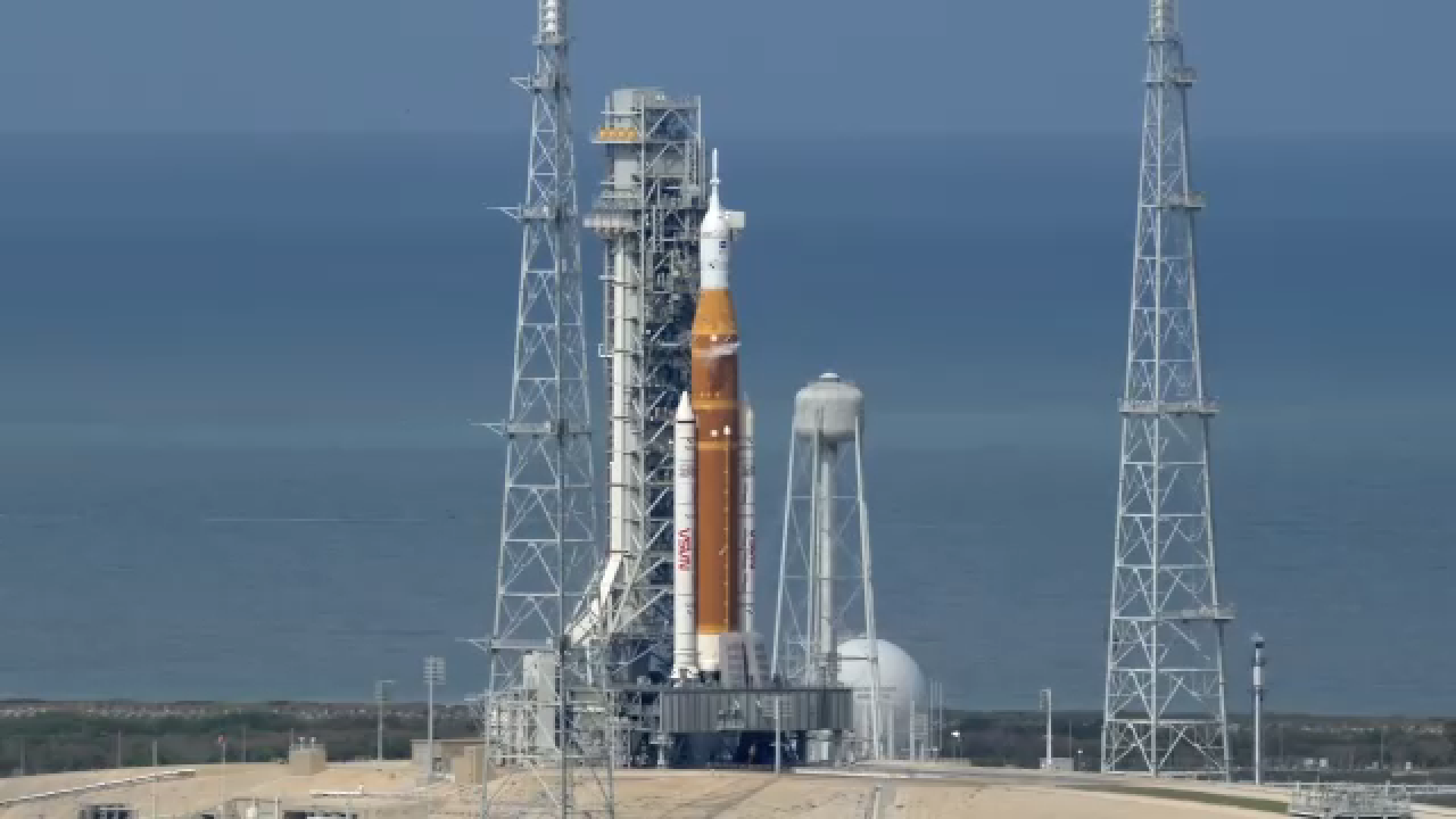
April 1st is the day when astronauts could be sent back to the moon in 50 years. But first, the weather near Cape Canaveral needs to cooperate. ABC13 Meteorologist Elyse Smith breaks down what factors could prevent the rocket from launching on Wednesday or any day in the future.
There are five main weather components that must be met for Artemis II to safely and successfully launch from Florida. First, temperatures must be above 41 degrees or below 94 degrees, and sustained winds must not exceed 30 mph. As for sky conditions, there can't be any cumulus clouds within 10 miles of the launch pad. Furthermore, no lightning can be detected within 10 miles of the flight path. This includes severe weather. Finally, solar weather has to be quiet, meaning there have been no recent solar flares or CME's directed towards the Earth.
The launch window for Artemis II is two hours, which can account for changing weather conditions. For example, if a sea breeze brings in showers and clouds early in the window, there's a good chance that those conditions could clear within the two-hour timeframe. The launch window specifically for April 1 begins at 5:24 p.m. CT and lasts until 7:24 p.m. CT.
As for the forecast, NASA meteorologists say there's about an 80% chance for go-for-launch conditions on Wednesday. Onshore flow has brought with it some passing cumulus clouds and rain throughout the day, but there's the chance later into the evening (if not sooner) that those conditions will clear enough for Artemis to launch.
While the launch day forecast is determined by Space Force meteorologists in Florida, the rest of the flight, including re-entry 10 days later of Artemis II, is made and monitored by meteorologists at the Johnson Space Center in Houston. Once Artemis II is in flight, the countdown is on as the rocket and its crew will splash down 10 days later in the Pacific Ocean, no matter the weather.