New TAMU study shows how major Texas cities play a part in how storms behave in urban environments

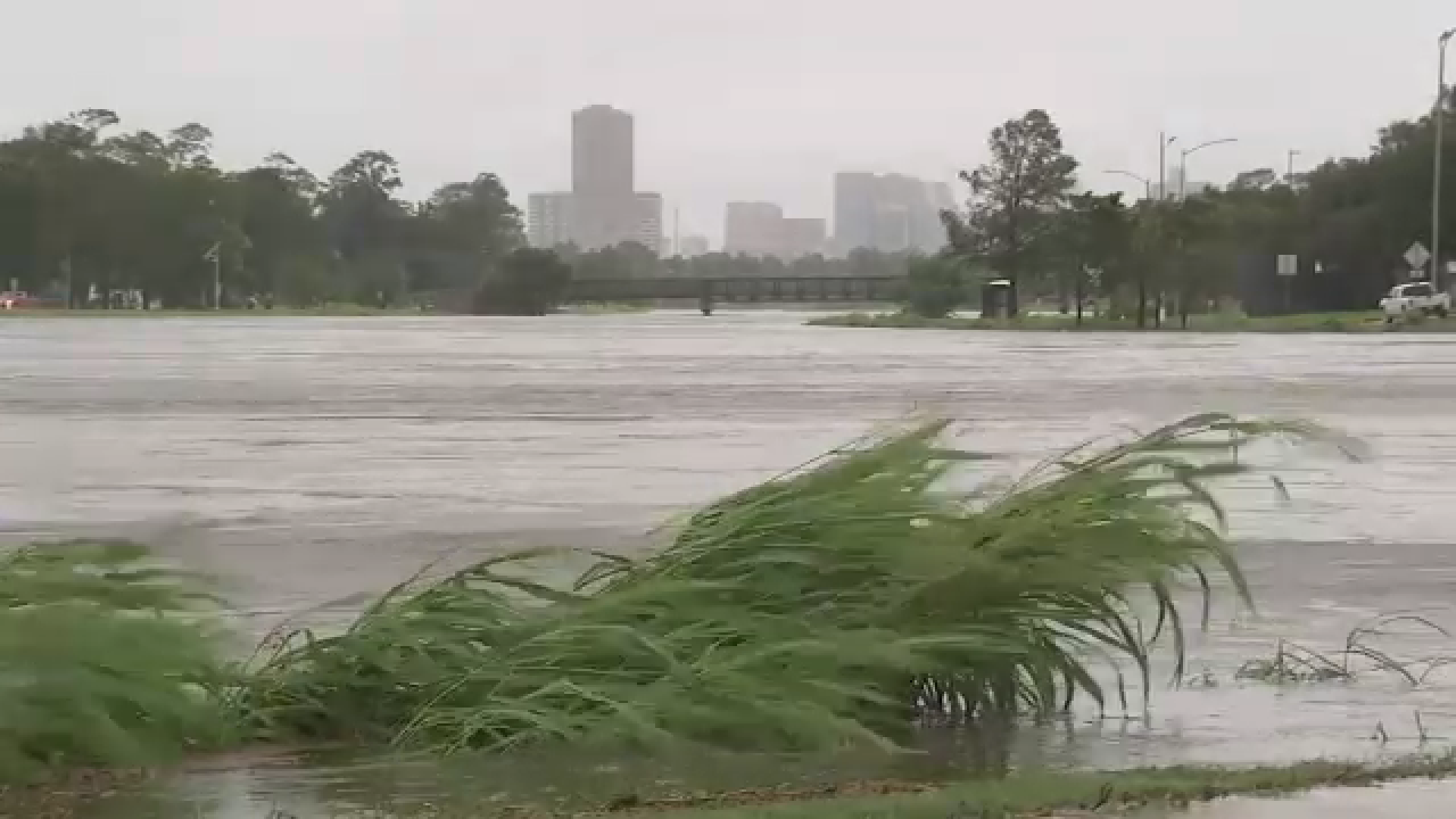
HOUSTON, Texas (KTRK) -- From heavy rain to floods, to hurricanes, severe weather isn't anything Houstonians aren't used to.
But now, researchers from Texas A&M University say the city itself may be part of the story.
A new study from the university examined more than 40,000 storms that went through all four of Texas' major metropolitan areas from 1995 to 2017.
"We did Dallas-Fort Worth, Austin, San Antonio, and Houston. Key findings were that different types of storms are affected differently by cities." Dr. John Nielsen-Gammon, the state climatologist, said.
He said at times, storms can become more intense over major cities like Houston because of the heat.
"Cities are typically warmer than surrounding areas, and the air over the city can be more unstable, especially at night," Nielsen-Gammon said.
Another key factor, he says, is a city's infrastructure.
"Buildings can act as obstacles to wind flow, creating more turbulence and forcing air higher, which can help trigger thunderstorms," he said.
But the study found that cold fronts caused storms to behave differently, and that their intensity dropped by about 16% to 28% in cities compared to rural areas.
"Because of the urban heat island, as the storm is approaching the city, you get a maximum difference in temperature in the cold air and the warm air, and that could lead to the storm potentially being stronger before they reach the city," he said.
As for why this study should matter to the public, researchers say the results not only show how different cities will experience extreme weather but also help people prepare.
"It's important for people to realize that they shouldn't necessarily wait until they start seeing a thunderstorm in the distance before actually realizing the actual threat of the thunderstorms," he said.