Here's what to know about hantavirus vaccines after the cruise ship outbreak
The Andes virus, a rare type of hantavirus, has a mortality rate of about 38%.

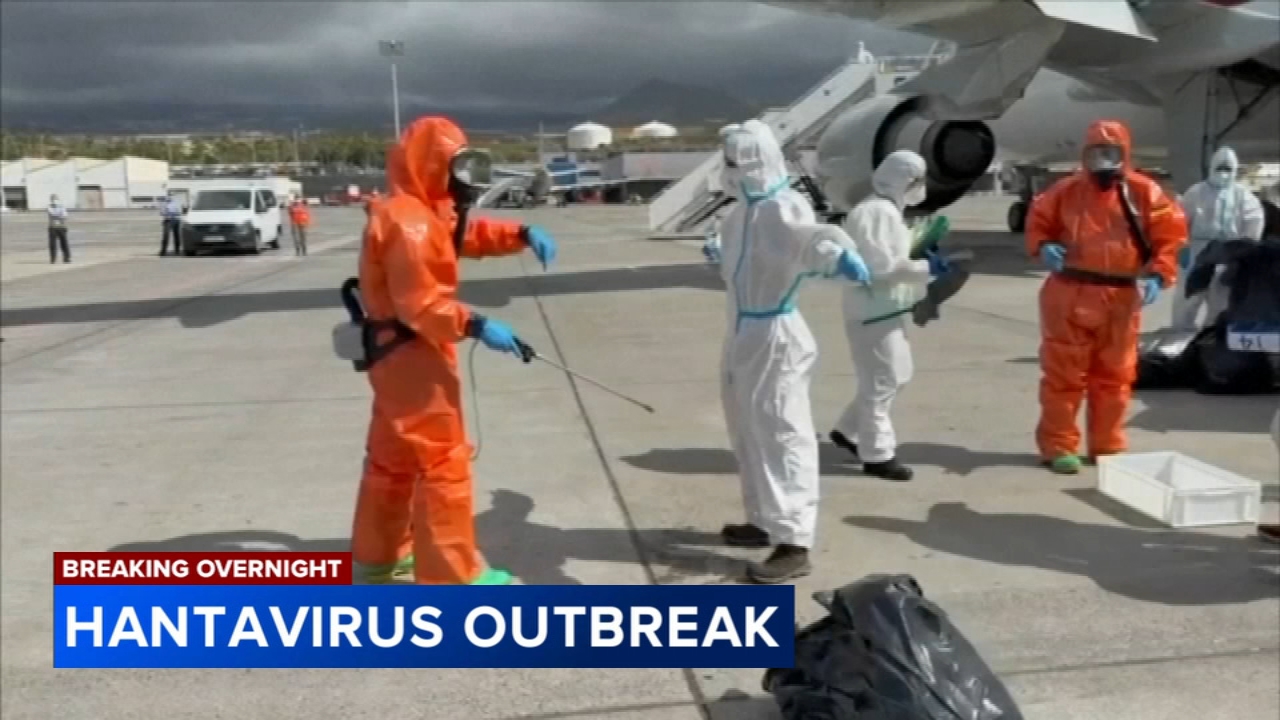
The recent cruise ship outbreak has put renewed attention on the Andes virus, a rare type of hantavirus that can spread between people and cause severe respiratory illness. But despite decades of research, there is still no approved vaccine in the U.S.
Hantavirus exposure risk rises during activities like farming, forestry work and cleaning rodent-infested spaces. Current and future vaccines target high-risk groups rather than the general public, according to the World Health Organization.
Hantaviruses spread from rodents to humans through droppings, urine, and saliva and less frequently, through bites or scratches. The Andes virus can cause a severe respiratory illness with a mortality rate of about 38% and remains the only hantavirus known to spread from person to person, with symptoms appearing anywhere from 4 to 42 days after exposure, according to the CDC.
Hantavirus vaccine research has largely focused on strains found in Asia rather than the Andes virus in the Americas, Dr. Krutika Kuppalli, an infectious disease physician and adjunct associate professor at the University of Texas Southwestern Medical Center, told ABC News.
"Most of the human vaccine data come from Asia and focus on 'Old World' hantaviruses that cause hemorrhagic fever with renal syndrome, particularly Hantaan virus and Seoul virus, rather than the 'New World' hantaviruses like Andes in the Americas," Kuppalli said.
Hantavirus vaccine development began in the late 1980s with Hantavax, an inactivated vaccine designed for strains circulating in South Korea and China that cause hemorrhagic fever with renal syndrome, a study in the journal Vaccines suggests. South Korea approved the vaccine in 1990, though studies suggest it provides limited long-term protection.
In the U.S., researchers are testing DNA hantavirus vaccines, which use genetic material to trigger an immune response. Despite showing early promise, the shots are still a long way off from FDA approval.
There are currently no approved vaccines anywhere in the world that specifically protect against the Andes virus, but scientists are working on it.
"There are actually a number of vaccine candidates that are being set in position, at an early stage," Dr. Kartik Chandran, a professor in the department of microbiology and immunology at Albert Einstein College of Medicine, told ABC News.
For example, in one early trial of 48 healthy adults, an Andes virus vaccine produced a strong immune response without major safety concerns, researchers writing in the Journal of Infectious Diseases reported in 2023.
However, there are ongoing barriers to testing these vaccines more rigorously.
"One of the major challenges has been that hantavirus cases are relatively rare and geographically sporadic, making efficacy trials difficult," Kuppalli said.
The overall risk for hantavirus infection remains extremely low for most people, according to the CDC. Health experts stress that what's unfolding with passengers on the cruise ship is unlikely to morph into a global pandemic.
"Although we're focusing on Andes virus in this case, there are many hantaviruses out there and they're all different from each other," Chandran explained. "We don't know enough about these viruses to really understand which of those agents poses a risk to humans and which don't."
Still, it's wise to take precautions.
The CDC advises avoiding contact with rodent droppings, urine, saliva, and nesting materials.
Always wear rubber or plastic gloves and a well-fitted respirator mask when cleaning up after rodents. Wash gloves with soap and water before removing them, then wash your hands thoroughly.
Seal gaps in the home and garage. Set traps for rodent infestations, and ensure all food items are stored and sealed properly.
Megan Still, MD MSE, is a neurosurgery resident at the University of Florida and a member of the ABC News Medical Unit.