Iran live updates: US blockade of Iran's Strait of Hormuz ports to begin Monday

CENTCOM said it will block all traffic 'entering and exiting Iranian ports.'

ABCNews logo
Last updated: Monday, April 13, 2026 6:12PM GMT
ABC News Live

President Donald Trump announced "major combat operations" against Iran on Feb. 28, with massive joint U.S.-Israeli strikes targeting military and government sites.

Trump set a deadline for Iran to fully reopen the Strait of Hormuz or face broad strikes on its critical infrastructure. Hours before the deadline expired, Trump said he had agreed to suspend planned bombing for two weeks if Iran agreed to reopen the Strait of Hormuz.

Iranian Foreign Minister Abbas Araghchi then said that "safe passage through the Strait of Hormuz will be possible via coordination with Iran's Armed Forces and with due consideration of technical limitations."

Israeli Prime Minister Benjamin Netanyahu said he supported the ceasefire with Iran, but that Lebanon -- where intense Israeli strikes continued -- was not covered by the agreement, despite Iranian protests.

ABCNews logo
Apr 09, 2026, 7:59 PM GMT

Netanyahu says there is 'no ceasefire in Lebanon'

Israeli Prime Minister Benjamin Netanyahu said there is not a ceasefire in Lebanon in a recorded statement Thursday, saying strikes on Lebanon will resume.

"There is no ceasefire in Lebanon. We continue to strike Hezbollah with force, and we will not stop until we restore your security," he said, addressing Israelis in the north.

"After repeated requests from the Lebanese government to open peace negotiations with us, I instructed the cabinet last night to open direct negotiations with Lebanon in order to achieve two goals: One: disarming Hezbollah and the second: a historic and sustainable peace agreement between Israel and Lebanon," he said.
ByEmily Chang and Isabella Murray ABCNews logo
Apr 09, 2026, 7:59 PM GMT

Trump says Netanyahu will ease up on Lebanon

President Donald Trump said Israeli Prime Minister Benjamin Netanyahu will "ease up" Israel's strikes in Lebanon and be more "low key," in a phone interview with an Israeli journalist on Thursday.

This comes as Iran warned this morning that negotiations with the U.S. could be "meaningless" if Israel's attacks on Lebanon continue.

"Netanyahu is going to take a step back on the Lebanon issue," Trump reportedly said. "Netanyahu will be fine with Lebanon. He'll ease up a bit there. He has a problem with Hezbollah but he'll ease up and be totally fine."

This phone call took place before Netanyahu authorized direct talks with Lebanon to begin, according to the reporter.

In the Thursday phone interview, the president also expressed optimism over reaching a "very successful agreement," seemingly looking towards the U.S. and Iran talks that are scheduled to begin Saturday in Islamabad, Pakistan.

"We're going to have a very successful agreement. It's gonna be very good, everything's gonna work out very good," Trump said.

Trump claimed that Netanyahu is "on board" with the ceasefire agreement.

Netanyahu "supports the ceasefire agreement with Iran. He's totally fine with it," Trump said, according to the reporter.

ABC News has asked the White House about reports that say Trump had specifically asked Netanyahu to scale back Israeli strikes on Lebanon in a phone call between the two leaders Wednesday evening.

ByShannon K. Kingston and Isabella Murray ABCNews logo
Apr 09, 2026, 7:59 PM GMT

White House considers plan to penalize NATO allies unhelpful to war effort: Official

The Trump administration is weighing a plan to retaliate against NATO allies seen as unhelpful during the conflict with Iran by shifting U.S. troops away from these countries, an administration official tells ABC News.

The official adds that the troops would likely be repositioned in countries viewed by the administrative as having been more supportive of its war efforts. It's unclear how advanced the plan is and which countries would be impacted if the decision is made to implement it.

When asked if President Donald Trump is considering punishment for NATO allies who did not heed his requests and whether this proposal was presented to Sec. Gen. Rutte during their meeting on Wednesday, a White House official pointed to earlier remarks from Secretary of State Marco Rubio. The secretary of state had questioned why the U.S. would continue to position troops in Europe if it was restricted from using jointly operated bases.

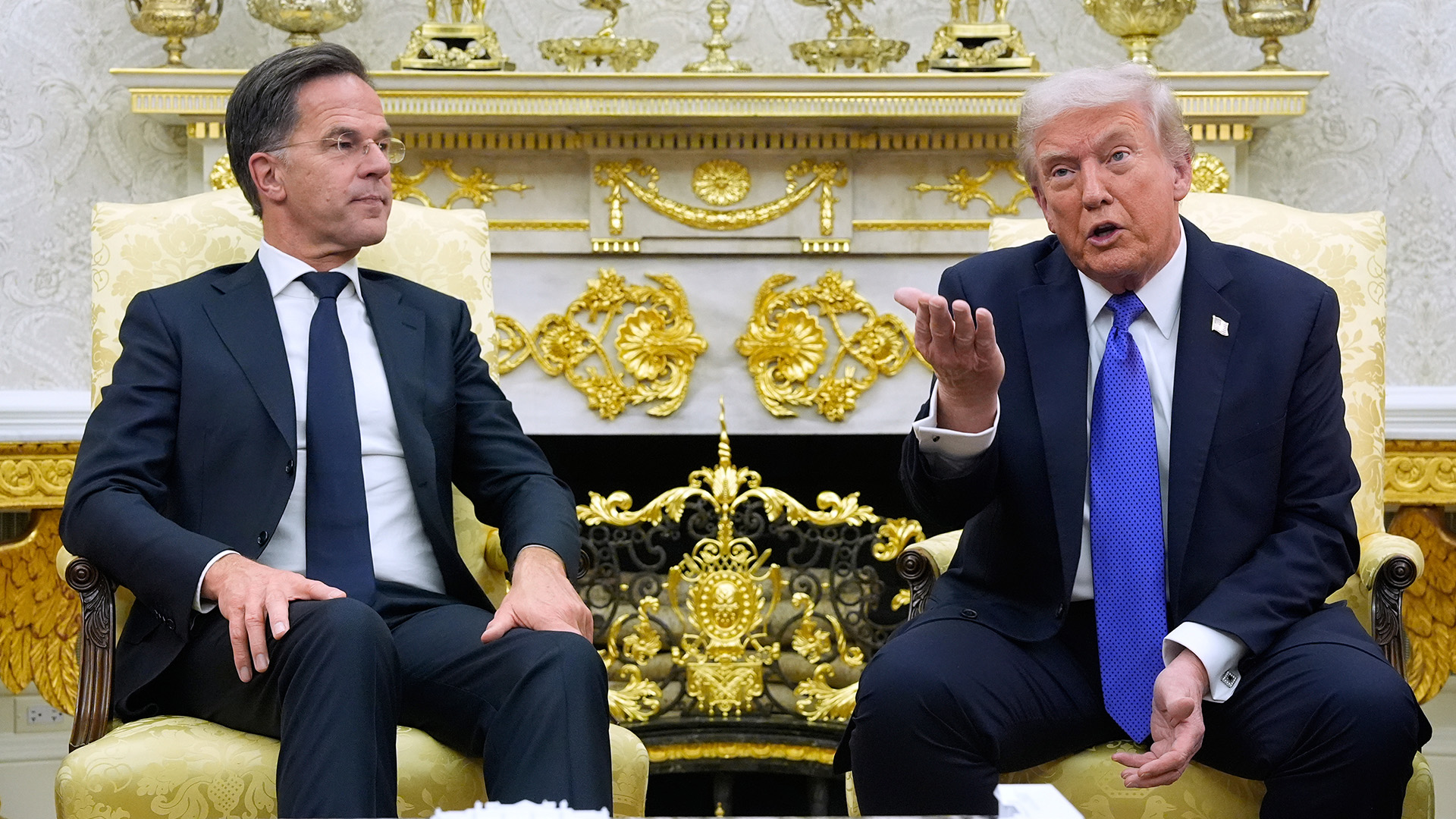
President Donald Trump meets with NATO Secretary General Mark Rutte in the Oval Office of the White House, Oct. 22, 2025, in Washington.

Overseas basing rights that allow the U.S. to station troops and equipment through Europe were a major topic of discussion during Rutte's meetings in Washington, according to the administration official.

Trump and members of his administration have expressed grievances against a long list of NATO allies, but none more so than Spain. The Spanish government has condemned U.S. and Israeli strikes on Iran as violations of international law and denied the U.S. permission to use joint bases at Rota and Morón for its operations.

ByJordana Miller ABCNews logo
Apr 09, 2026, 4:22 PM GMT

Netanyahu authorizes direct talks with Lebanon

Israeli Prime Minister Benjamin Netanyahu has authorized direct negotiations with Lebanon to begin "as soon as possible."

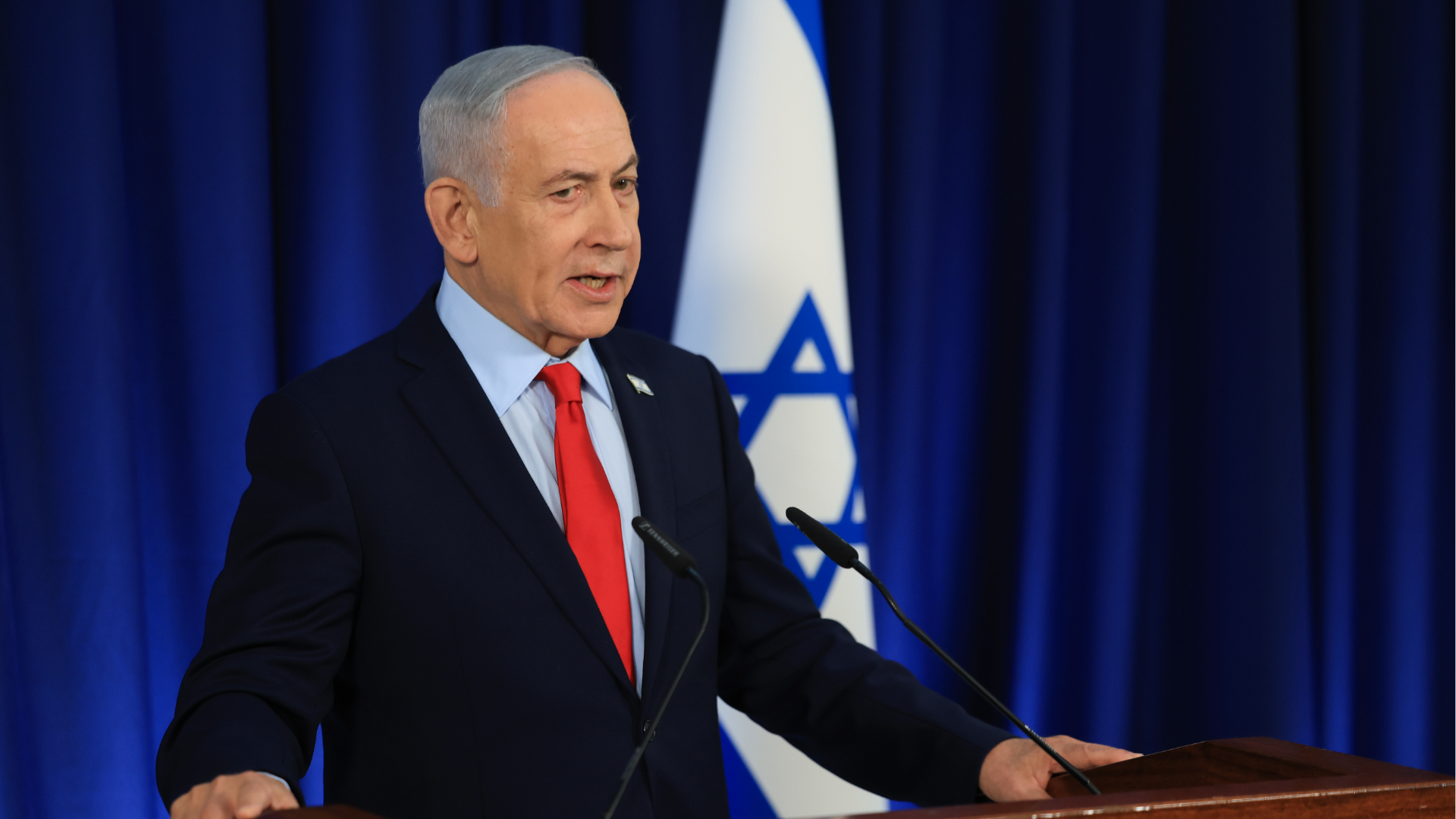
Israeli Prime Minister Benjamin Netanyahu speaks during a press conference in Jerusalem, Thursday, March 19, 2026.

"The negotiations will focus on disarming Hezbollah and establishing peaceful relations between Israel and Lebanon," Netanyahu said in a statement released by his office.