Questions arise on how emergency warning systems work after central Texas flood


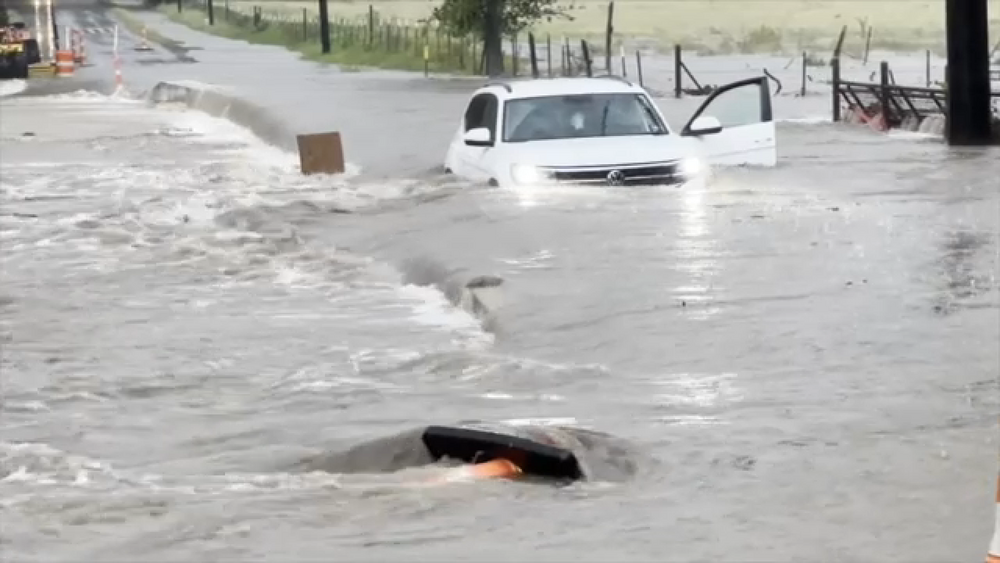
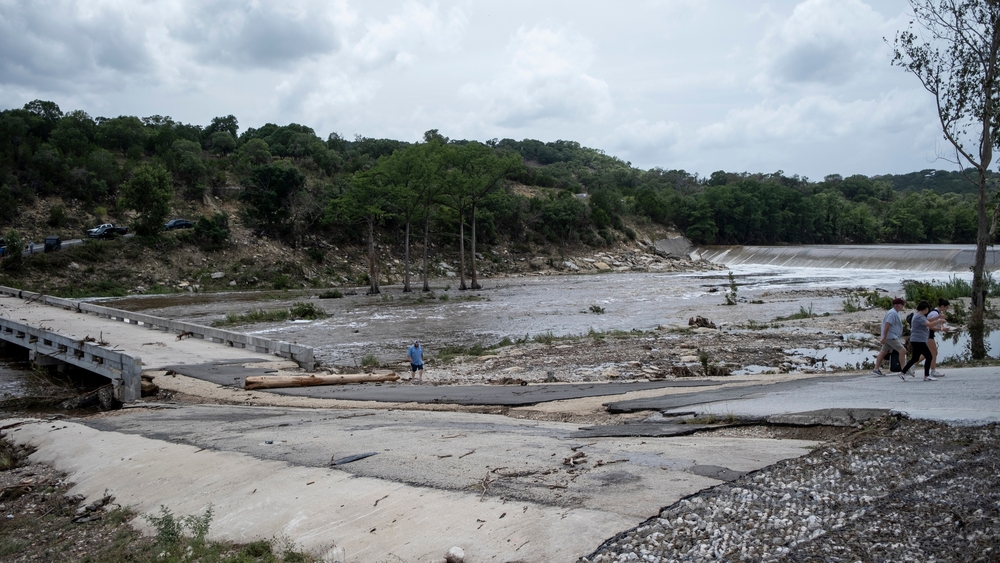
HOUSTON, Texas (KTRK) -- In the days since the deadly flash flooding, ABC13 has heard survivors talk about what advance warnings they did and did not receive ahead of the disaster.
There were questions about alerts in Kerr County at a press conference Tuesday morning, and survivors of the flooding also have questions.
Roger Prior got a knock on his door as the water rose.
"By the time they warned us," he told ABC13, "the water was already to the road. It was almost as far as it was going to go."
As search and rescue turns to recovery, there are endless questions about the warnings issued ahead of the storm. So, ABC13 turned to emergency management professionals to ask them about how the system is supposed to work.
Michael Walter was a crisis management specialist with the city of Houston during the Tax Day and Memorial Day floods and Hurricane Harvey. He says the approach is layered.
"You really kind of have to think about the way that a warning is issued, the audience you're trying to reach, the way they're going to receive it, and whether they're going to act on, and whether they know how to act on it," Walter said.
A critical part of that layered system is called IPAWS. The Integrated Public Alert & Warning System is run by FEMA and the FCC and requires local counties and states to have a license and software.
It includes emergency alerts on radio and television and those wireless emergency alerts you get on your phone.
These can be coordinated at the federal, state, and local levels and can be targeted to within a 1/12 of a mile on a cellular network. But you have to have those alerts on, on your device.
"It doesn't matter where your phone is from," Walter said. "It's are you physically located within that area."
Top Stories

But in a rural area where service is spotty and where tourists or campers don't understand the risk or know the threats-making sure they are properly warned is not simple.
James Doss-Gollin is a climate engineer at Rice University who specializes in flood resilience and planning.
"It's very difficult," he said. "The challenge for emergency managers is that if you're going to wait for 100% certainty it's going to be too late given how quickly this water moves. At the same time, I'm very empathetic to them. You don't want to be the boy who cried wolf."
Brian Murray is the Deputy Emergency Management Coordinator for Harris County. He says there is always a balance in issuing alerts.
"Every situation is different, and the more intense that situation is, the more channels we employ," Murray said. "I'm not really sure there is any such thing as over-alerting. I think the one thing you don't want to do is get into a position where you say, 'Gosh, I wish we'd done something.'"
Hindsight is always 20/20. But one thing about all emergency management professionals agree on is that you should always be aware of your environment and have the alerts on your phone on-and if possible have a weather radio too.
In addition to cell phones and weather radios, which might work in places where the cell signal is weak, sirens can be an effective tool. They are also a part of the warning debate in the aftermath of the flooding along the Guadalupe.
"A siren can tell you something is going on, but it can't tell you what's going on. In certain areas, sirens are an incredibly good tool because they're well understood to mean something," Walter said. "In an area where flash flooding is prone, people in the area can be trained to know a siren means flash flooding is going to occur."
For updates on this story, follow Tom Abrahams on Facebook, X and Instagram.