New tool shows how federal funds are being spent on storms 20 years after Hurricane Katrina


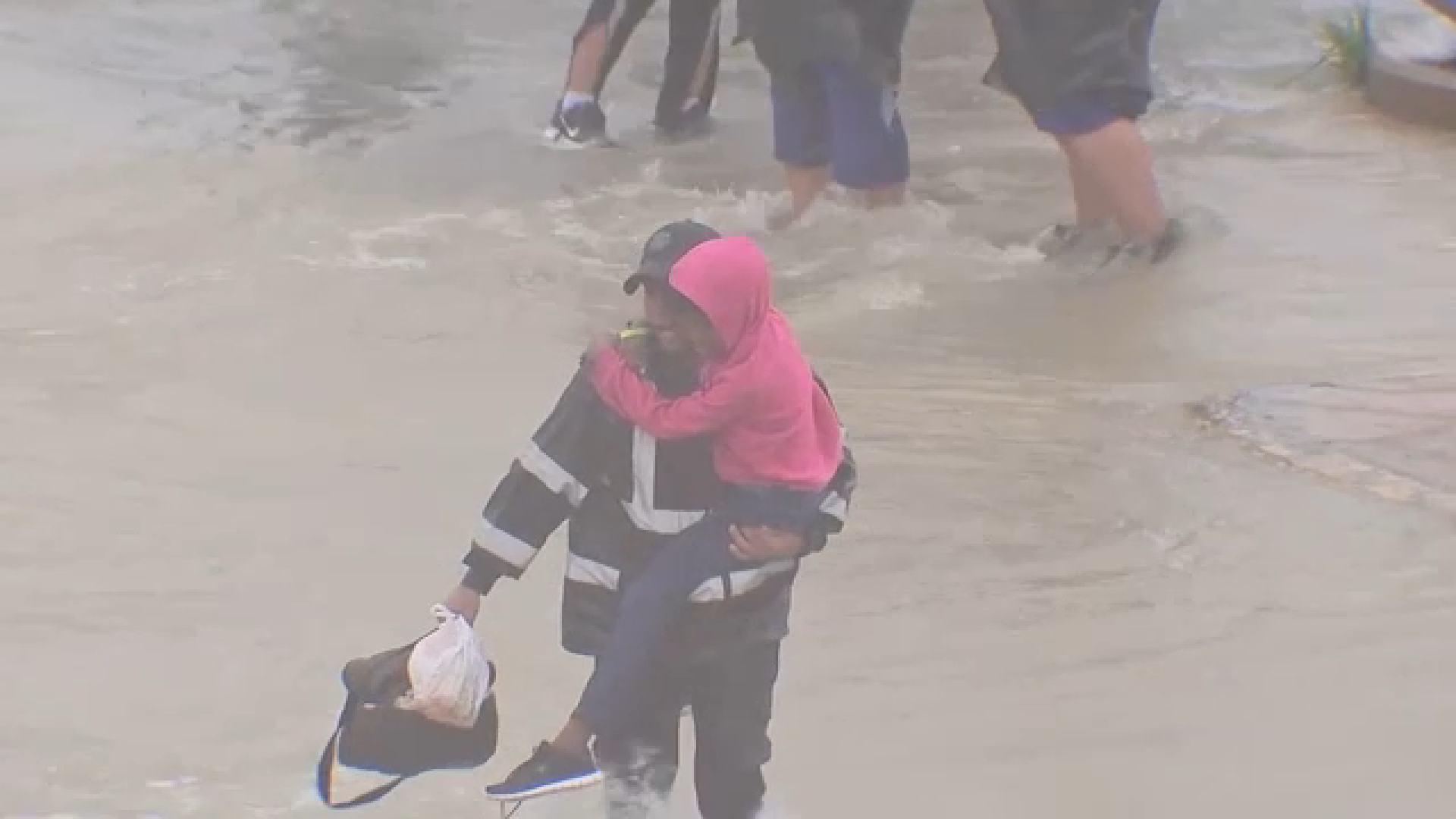
HOUSTON, Texas (KTRK) -- With the 20th anniversary of Hurricane Katrina, a group of researchers took a look at how federal dollars are being spent on the Gulf Coast with storms, and what the funding may need to be in the future.
A group of researchers said Hurricane Katrina sparked change by shedding light on the slow emergency response. Since then, they said the federal government has been more involved.
But tracking the help researchers said isn't always easy.
"There's a lot of data about disasters and their impact on the Gulf Coast, but it's often hidden behind different websites. It's difficult to access," Urban Institute senior fellow Andrew Rumbach said.
Rumbach said that's why they launched a tool to see how much was spent, and what the future needs could be.
"These events are a really important part of people's lives," Rumbach explained. "I think that they deserve to be talked about, and we need to come up with solutions we can all agree on politically that can help solve the problem."
In Texas, the tool shows that only Walker County has had more major disaster declarations in Texas than Harris County since 2005. Harris County, the data shows, had 13, which means the region is averaging a major disaster declaration every other year since 2005.
Researchers found Texas suffered nearly $120 billion in damage from storms since Katrina. It received about $15 billion in FEMA recovery funds.
That's way less than neighboring Louisiana. Researchers found its disaster damage was slightly higher than Texas, but Louisiana received more than double the FEMA recovery dollars.
To reduce damage, researchers said FEMA gives mitigation money. However, they found that much of the funds arrive after a storm hits.
In Texas, they found FEMA spent $1.3 billion trying to reduce storm damage before they arrived, and more than double that after.
"We spend a lot more money on recovery than mitigating them, or preventing them from happening in the first place," Rumbach said. "Hopefully, that balance happens over time."
Researchers also looked ahead. They said if climate change issues persist, the Gulf Coast's annual disaster damage could more than double by 2050.
They say the Gulf Coast states could lose $32 billion a year by then. However, if climate change isn't taken into account, the annual disaster number is $15 billion.
For updates on this story, follow Nick Natario on Facebook, X and Instagram.