New tool from Rice University reveals growing risks from natural disasters


HOUSTON, Texas (KTRK) -- A new, interactive tool from Rice University's Baker Institute for Public Policy paints a striking picture of just how much is at stake as natural disasters grow more frequent and destructive across the United States. The online dashboard tracks changes in natural disasters, population density, and energy infrastructure over the last 75 years and offers a unique, layered view of how risks have evolved over time.
Several reports show the U.S. is facing a record pace of billion-dollar disasters. This dashboard helps explain why, allowing users to overlay key data points on a map and toggle between decades.
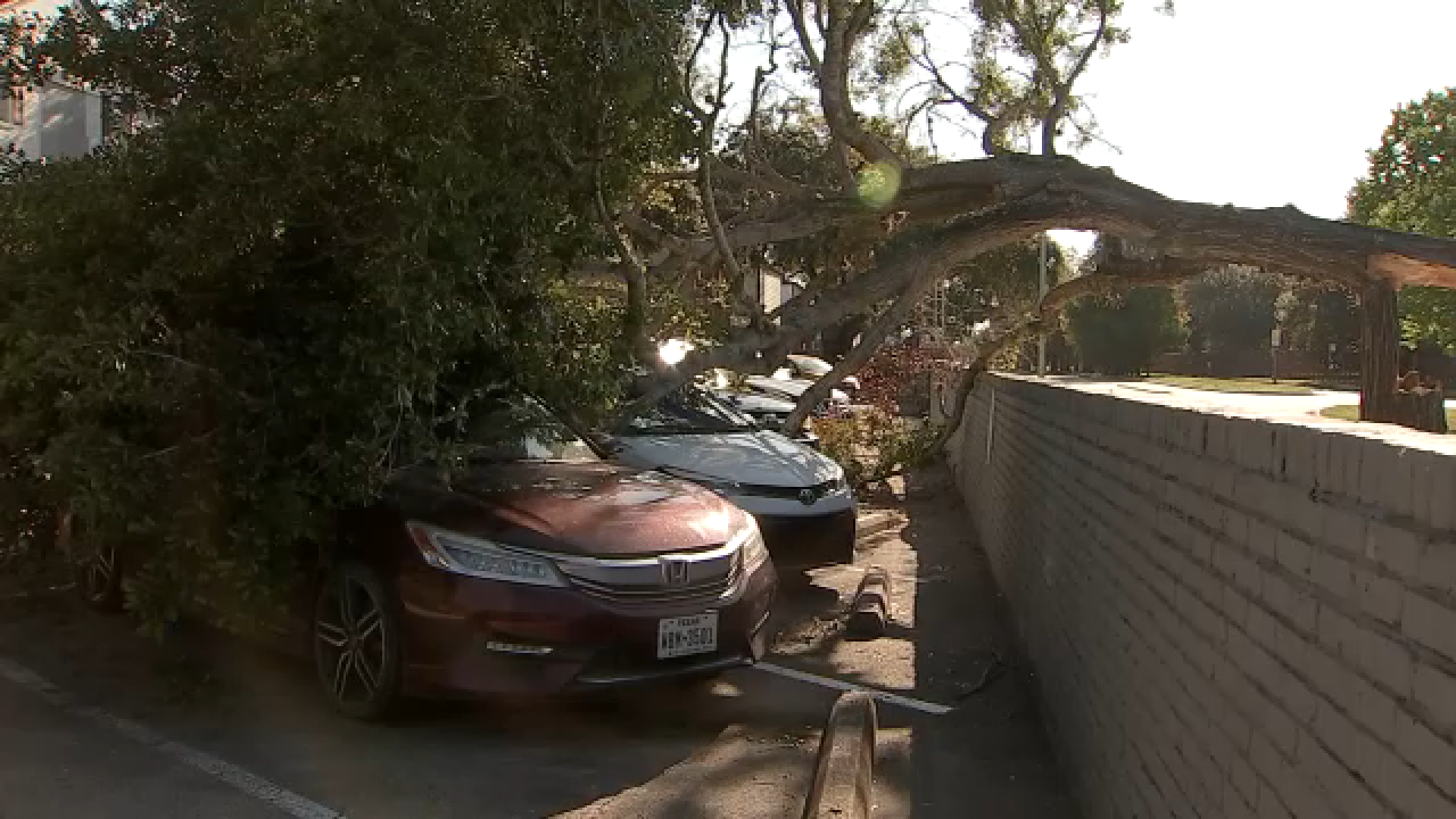
Zooming into southeast Texas reveals the region's layered vulnerability. Hurricanes, tornadoes, and wildfires are now threatening areas that have seen significant population growth and energy development since the 1950s. Back then, fewer people and less infrastructure were in harm's way.
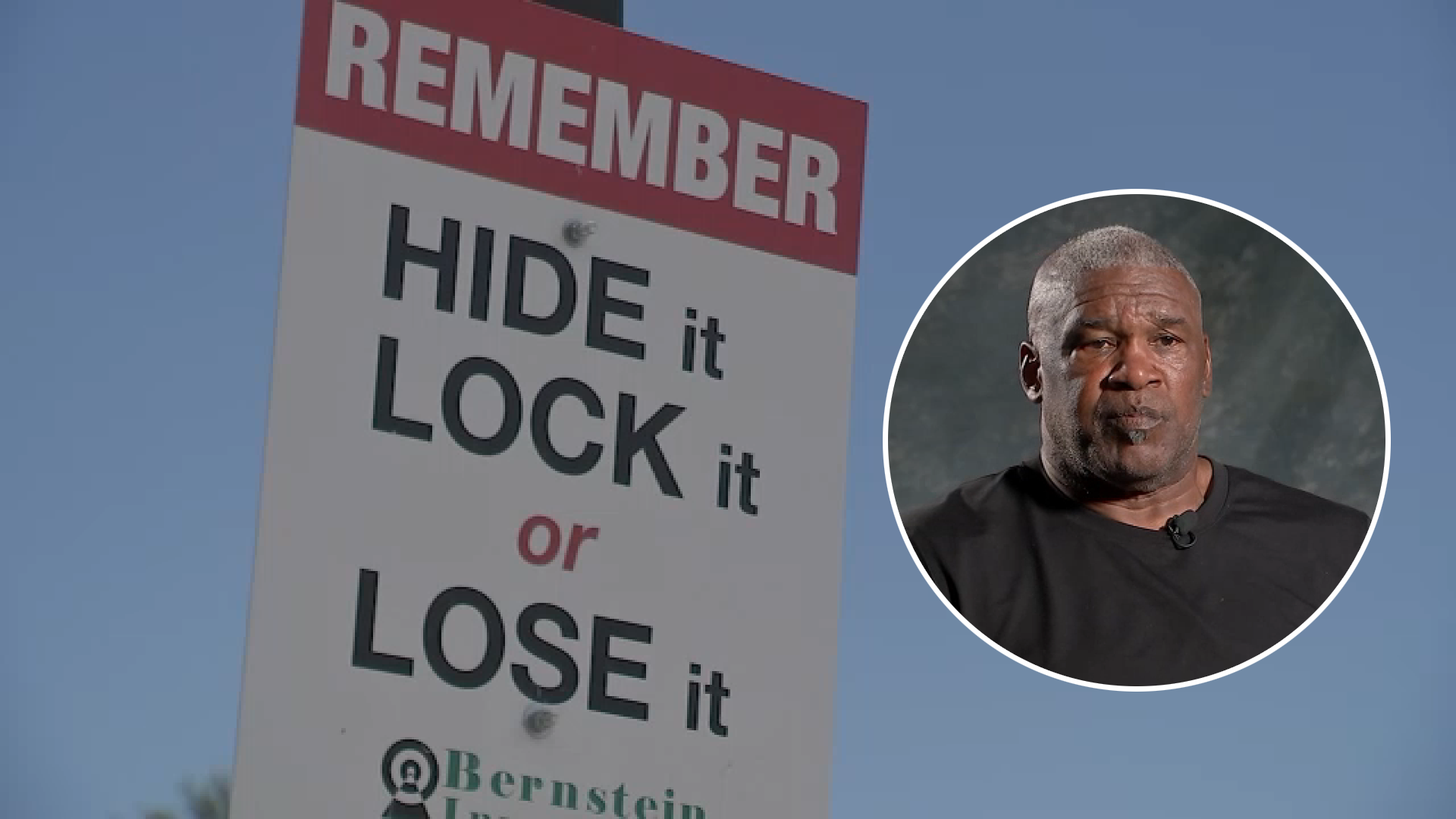
Kenneth Medlock, the senior director of the Baker Institute's Center for Energy Studies, spoke with ABC13 during our 10 a.m. streaming newscast. He emphasized the importance of integrating this kind of data into policymaking, especially as national disaster aid becomes more uncertain.
Top Stories

"When you look at a place like Texas, which produces roughly 40% of the nation's oil and gas, it's staggering to think about what storms in this region could actually do to the nation's core energy infrastructure... and of course what that means for livelihoods and populations in the region," Medlock said. "In order to maintain that economic prowess... the state is going to have to step up and do something if FEMA is dismantled. That's without a doubt true."
Medlock added that local actions such as updated building codes, smarter real estate development, and more resilient energy infrastructure can significantly reduce future losses. The dashboard is now live and open to the public, offering community leaders and policymakers a powerful tool to prepare for a more turbulent future.
For updates on this story, follow Briana Conner on Facebook, X and Instagram.