Montrose Pride colors return in new ways after iconic rainbow crosswalk is paved over


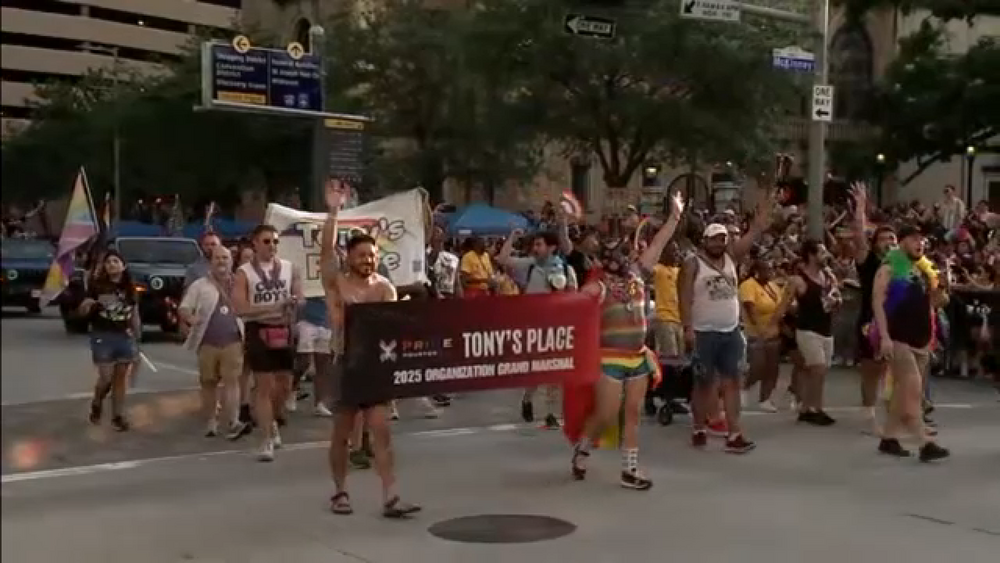
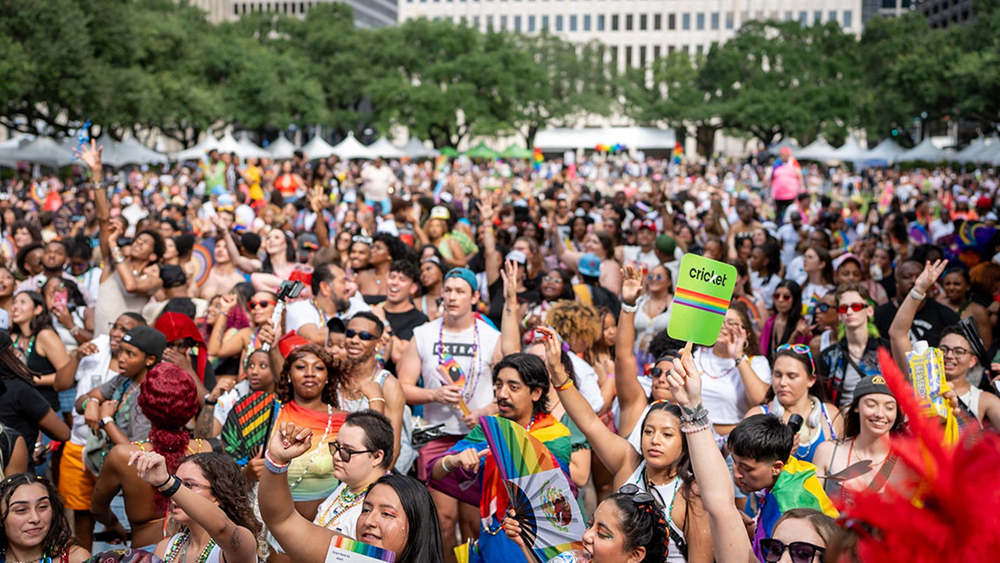
HOUSTON, Texas (KTRK) -- The Pride celebration in Houston's Montrose neighborhood may look a little less colorful this month.
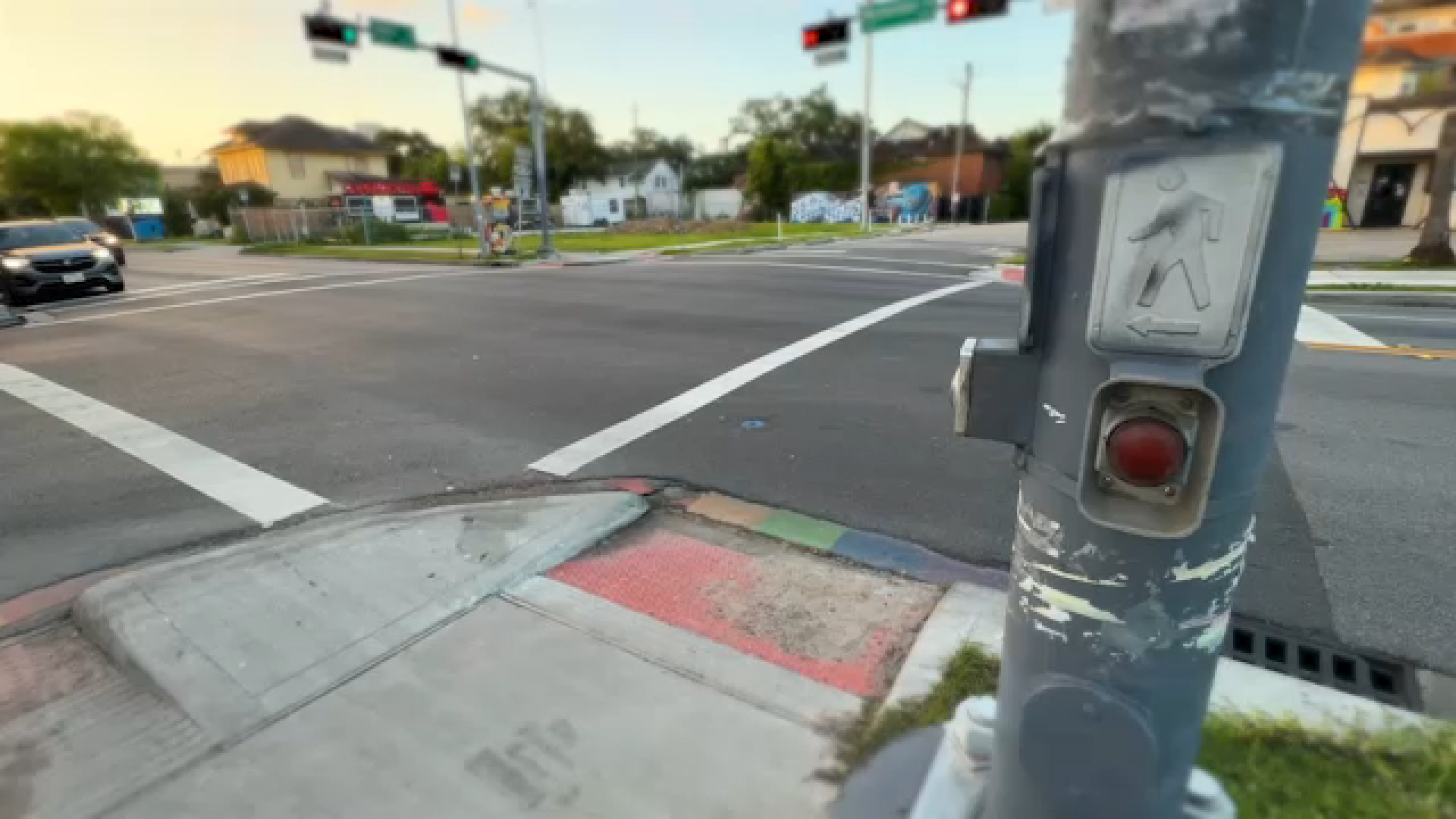
The iconic rainbow crosswalk at Westheimer and Taft, first painted in 2017, was paved over last fall after Gov. Greg Abbott threatened to withhold transportation funding from cities that maintained what the state described as political or ideological markings on roadways. Even so, traces of the original artwork remain visible beneath the black pavement. There are still small flashes of red, orange, yellow, green, blue, and violet peeking through.
RELATED: Westheimer and Taft in Montrose still blocked after people protested removal of rainbow crosswalk
"They're just different wavelengths. They're still all light. Colors of the rainbow," Brian Riedel, associate director of Rice University's Center for the Study of Women, Gender and Sexuality, said.
The rainbow has represented gay pride since the 1970s, and for many in Montrose, the crosswalk had become more than public art. It was a landmark, a welcome sign and a symbol of belonging in one of Houston's most historically significant LGBTQ+ neighborhoods.
Thinking back to last fall, artist Nicky Davis said, "I kind of saw it as our government trying to erase a community symbol."
Residents protested the removal but were ultimately unable to stop the paving crews. Still, the loss of the crosswalk quickly sparked a new response.
"I realized I can do what I do and paint a little rainbow mural to let people know everyone's welcome in Houston and we're a supportive community," Davis said.
As an artist and an ally, Davis said he felt it was important to bring rainbow imagery back to the neighborhood as soon as possible.
"For this one, specifically, I wanted people to feel welcomed. I want them to know we're out here. We support you. You're welcome in Houston," Davis said.
Now, the six symbolic colors appear on the side of a local business and along nearby sidewalks, with plans for even more visible displays in the months ahead.
Pride activist Jack Valinski said he has been working with city leaders to bring more permanent signs of support back to Montrose.
"I should be sitting in a rocking chair at my age," Valinski said. "But no, I still want to fight this battle."
Valinski, who remembers what Pride in Montrose looked and felt like before the parade moved downtown, said restoring visible Pride symbols in the neighborhood would mean a great deal to the community.
Montrose is designated as a banner district, meaning it can display street banners publicly. Valinski said organizers hope to install rainbow banners within the next few months, pending final coordination with the city and CenterPoint Energy.
"Once everything gets set between the city and CenterPoint and getting them made, we can put them up and continue to have them up every year," he said.
For advocates and scholars alike, the return of rainbow colors in Montrose is about more than aesthetics.
"When a community feels under attack, it is a rallying point to have something visible we can organize around," Riedel said.
He said the six colors represent more than Pride alone. They also point to broader struggles tied to housing justice, trans inclusion, healthcare access, and youth empowerment.
"It creates the conditions of possibility for other work that can happen alongside that," Riedel said. "Laws, policy, or maybe returning to structures that have helped our community connect with the city."
For many in Montrose, the message is clear: visibility matters, and community identity cannot be erased by a layer of asphalt.