Legal experts believe the Supreme Court's redistricting decision could impact elections for years


HOUSTON (KTRK) -- Legal experts say the U.S. Supreme Court's decision on Texas' congressional map could have impacts for years to come.
You might remember, last month, a lower court said the state couldn't use the map because of racial concerns. On Thursday, the Supreme Court disagreed, saying lawmakers created the map on political, not racial, grounds, which the justices say is legal.
Rice University political science professor Mark Jones crunched numbers from last year's election and broke down how registered Republicans voted on the old map versus the new map.
In our area, the most significant swing is district nine, which changes from southside Houston neighborhoods and parts of Fort Bend County, to east Harris County and all of rural Liberty County.
That change affected registered Republicans, increasing from 27 percent to 59 percent.
District 32, near Dallas, goes from 37 percent registered Republicans to 58 percent.
Near San Antonio, District 35 goes from 27 percent registered Republicans to 55 percent.
In districts 28 and 34 in southern Texas, there weren't dramatic swings, but they did increase registered Republicans.
Supreme Court justices sided with Texas Republicans, saying they can do this.
A decision that legal experts say may be hard to reverse.
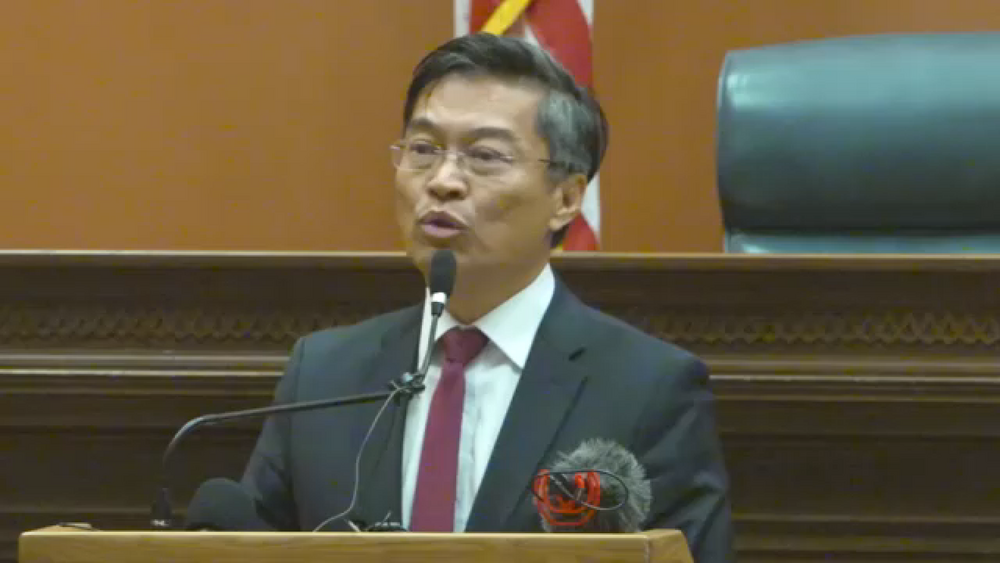
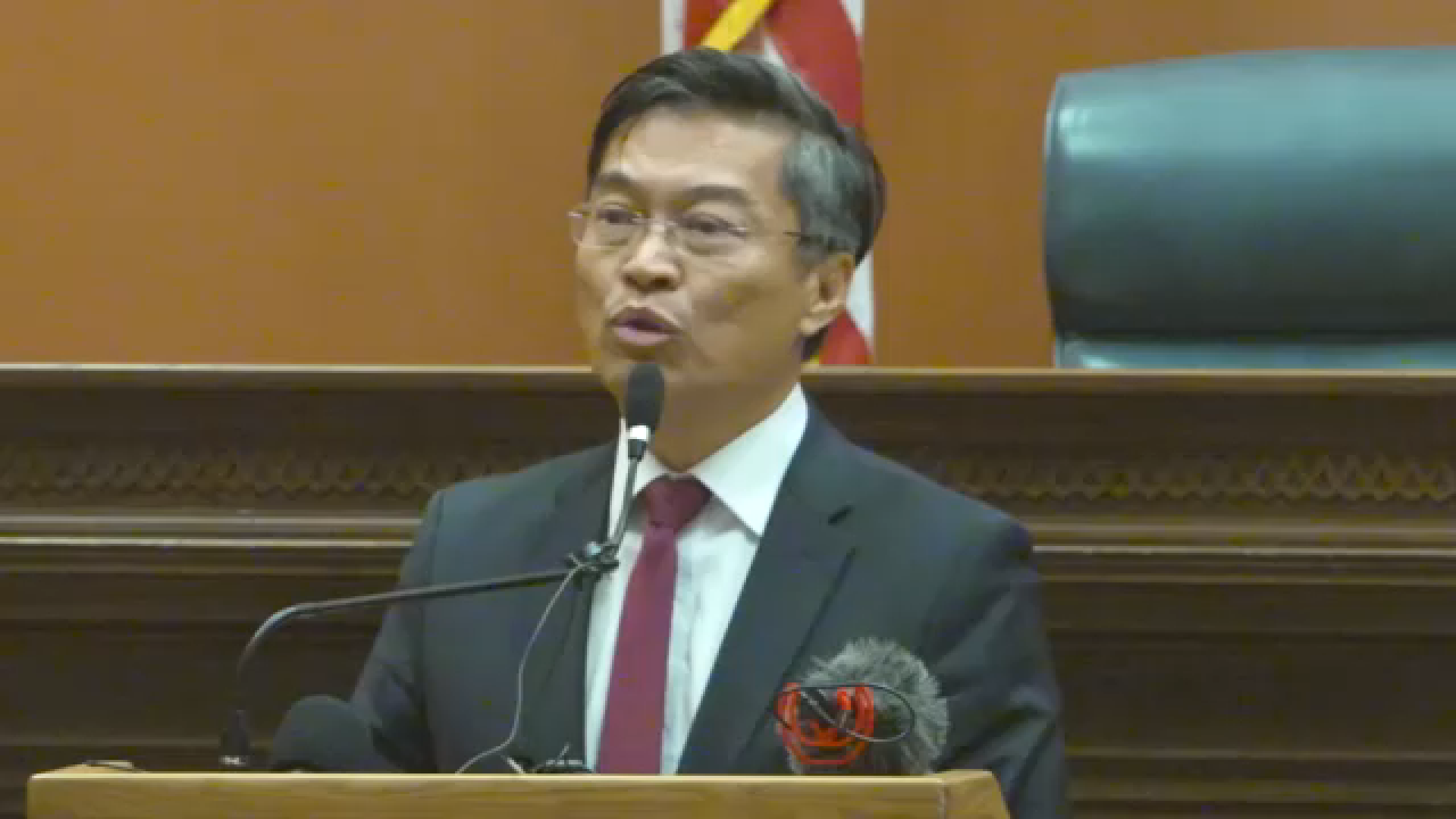
"This wasn't even close," South Texas College of Law Constitutional law professor Josh Blackman explained. "The Supreme Court said there's no evidence of racial discrimination and you have to show something that's called deference. You have to say, we presume they acted in good faith. The extent that members discussed race, they were trying to say they were trying to avoid racial discrimination claims, we're not saying we were using race to harm people, they were trying to avoid this."
This doesn't just help Republicans in Texas. Blackman said this sets a precedent and allows Democrats in other states to redistrict based on politics as well.
Blackman said the courts had to act quickly. After all, candidates are filing for elections right now.
The decision will mean next year's election will use the new map. However, it doesn't mean it can't be challenged for future elections.
Blackman said groups could again challenge the map in a lower court. If they do, he said it may require a new trial and evidence.
Even if the state loses, Blackman said it may be hard to get the Supreme Court on board after the decision they just gave.
For updates on this story, follow Nick Natario on Facebook, X and Instagram.