Jury 'isn't close' in decision for Judge KP George's money laundering trial as deliberations resume


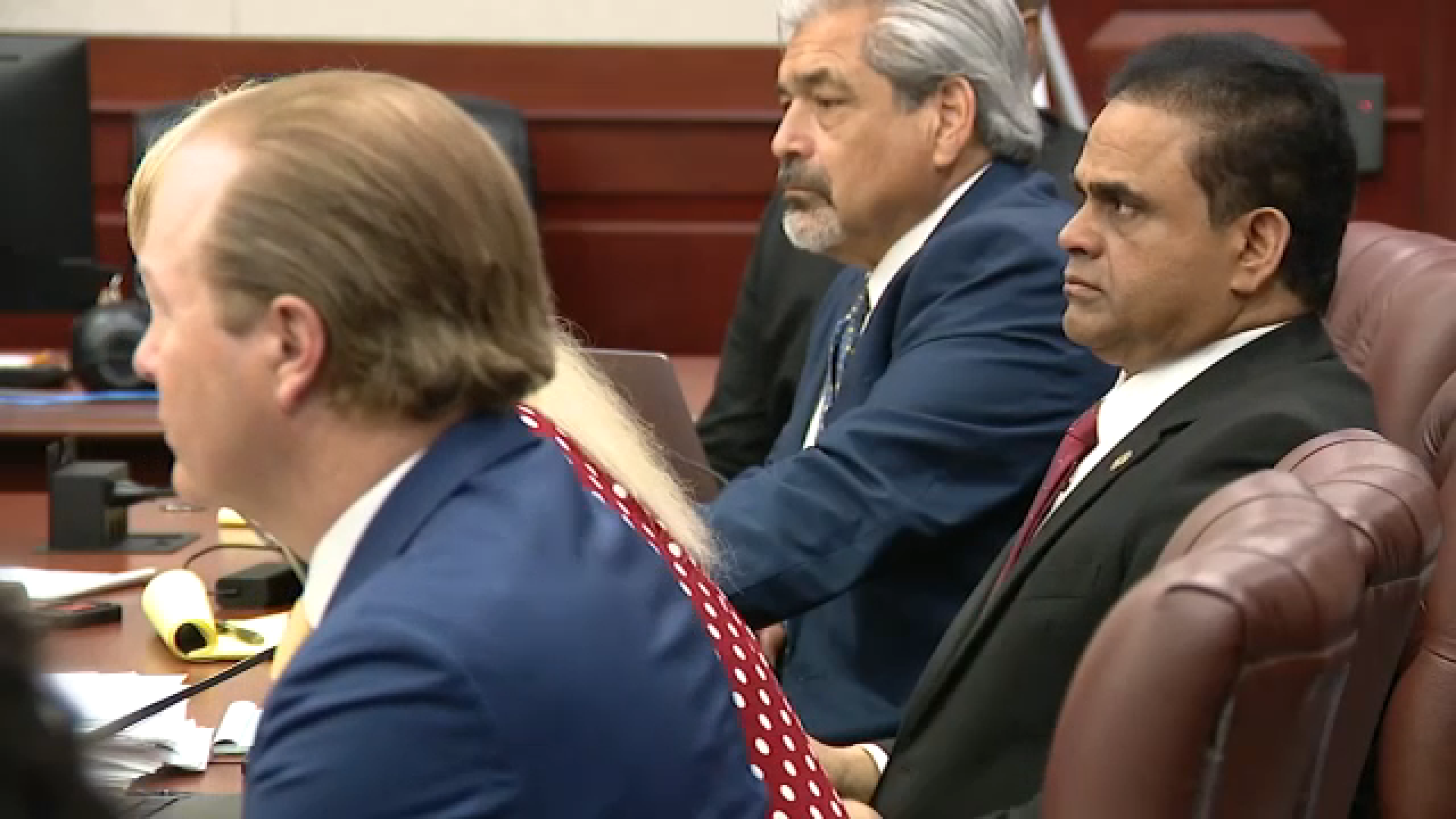
RICHMOND, Texas (KTRK) -- After days of testimony, both sides made their final arguments to jurors in Fort Bend County Judge KP George's felony money laundering trial on Thursday.
'Feeling good': George feels confident to the end
For more than a week, George's felony trial has taken place in the county's justice center in Richmond. When the trial started, George told ABC13 he wanted vindication.
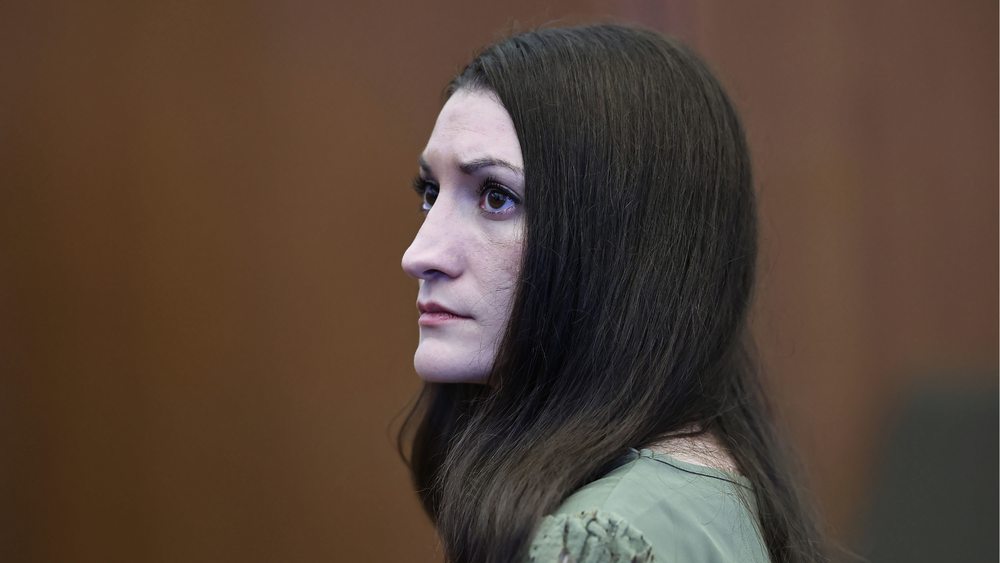
With testimony over, George walked into the courtroom on Thursday and told ABC13 reporter Nick Natario that he was "feeling good." George faces two money laundering charges.
In 2019, prosecutors said George stole from his donors by making two transfers from his campaign account to his personal account for $46,500. Defense attorneys said the money wasn't theft but repayment.
Closing arguments nearly took two hours
On Thursday, attorneys and the judge spent the morning working through the charges and instructions that would be given to the jury. Trial judge Maggie Jaramillo read the charges and instructions to the jury.
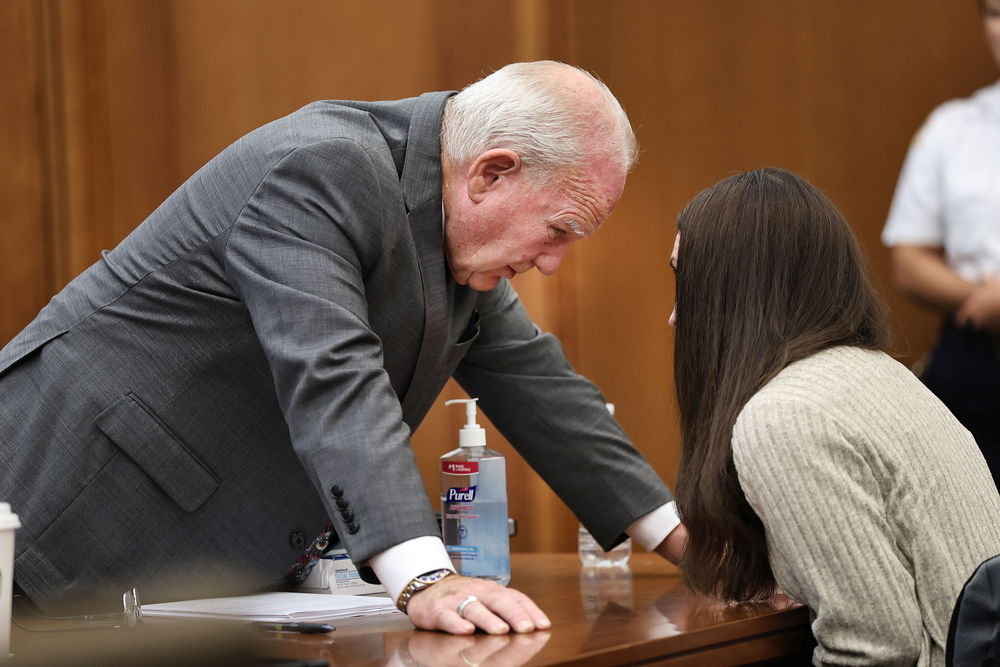
After that, attorneys made their closing arguments to the jury. Up first was prosecutor Katie Peterson.
She urged jurors to hold George accountable. "You get to teach this defendant that there are consequences for his lies," Peterson said. "There are consequences for his crimes."
During the trial, prosecutors called witnesses who looked at George's campaign finance reports and bank records. In the 2018 report, they said George didn't disclose how much money was in his campaign account.
That was the first step in a scheme they said to steal money. In January of 2019, prosecutors said George wired $30,000 from his campaign account to his personal account.
They presented evidence to jurors that prosecutors said shows George used the money to pay for property taxes and HOA dues. Two months later, in March, prosecutors said George wired $16,500 from his campaign account to his personal account.
Funds that prosecutors said George used for a new home down payment. Prosecutors said candidates are required to mark on their campaign finance reports if they transfer money to themselves. They said George did not.
"He clearly knew that we were committing a crime," prosecutor Charran Thompson said. "The evidence of his consequence of guilt is overwhelming. People who believe they're entitled to the money they take don't hide it."
The defense disagreed. They said George was repaying himself for loans he made to his previous campaigns.
"He didn't set up any shell corporations or fake businesses or offshore accounts," defense attorney Terry Yates explained. "He put it in his own account. Either he's the worst criminal in the world, or he didn't believe he was doing anything wrong."
George ran for county treasurer in 2009, U.S. Congress in 2012, and Fort Bend ISD trustee in 2014 and 2017. Defense attorneys said George loaned those campaigns money, and he was paying himself back, which you're legally allowed to do.
The problem they told jurors is what prosecutors couldn't show them. Prosecutors said they weren't able to access campaign finance reports or bank records from George's prior campaigns because they no longer exist.
Without them, defense attorneys told jurors there's too much reasonable doubt to convict George.
"As a prosecutor and defense lawyer, I've never in my life, ever seen evidence, or lack of evidence, presented to a jury," Yates said. "It is absolute overreaching."
After about two hours of closing arguments, the jury was told to start deliberating.
Jurors have two charges to consider
George faces two felony charges of money laundering. They don't carry the same weight in punishment.
Jurors were told one charge is a third-degree felony, which carries a sentence of two to 10 years behind bars. The other charge is a state felony, carrying a sentence of 180 days to 2 years.
If jurors convict George, they wouldn't issue the punishment. George elected to have the trial judge do that.
In addition to prison time, if convicted, George would be immediately removed from the county judge position.
'Not close': Trial judge sent jurors home for the night
After about two hours of deliberating, the trial judge said the jury "isn't close" to a decision and sent them home for the night.
They'll return at 9 a.m. on Friday. Before they left, jurors asked two questions during deliberation.
They asked for the attorneys' names. They also asked for information about what a line on a campaign finance report meant.
The judge told jurors the information could be found in the evidence they received.
For updates on this story, follow Nick Natario on Facebook, X and Instagram.