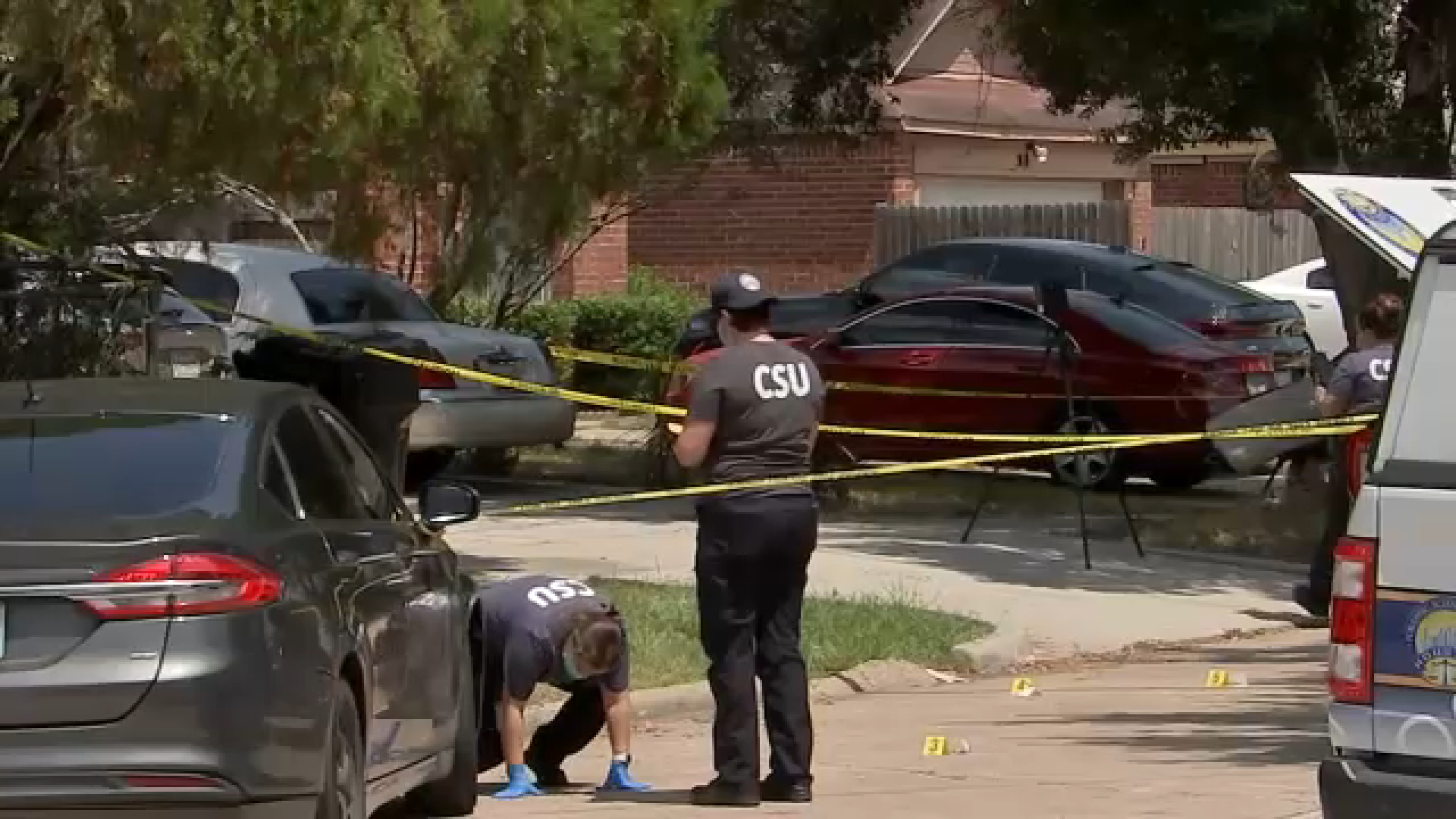
HPD officer resigns, sergeant suspended after investigation into unauthorized surveillance: Sources


HOUSTON, Texas (KTRK) -- A Houston police sergeant has been suspended, and another officer has resigned following an internal investigation that multiple law enforcement sources said surrounded a secret tracking device placed on a suspect's car without a warrant.
The disciplinary action comes after a six-month internal affairs investigation that kept both officers off duty. According to Houston Police Department personnel records obtained by ABC13, investigators substantiated the allegations.
Police Chief Noe Diaz suspended Sgt. Peter Vu, an 18-year veteran of the department, for 15 days without pay. A second officer, Juan "JJ" Gonzalez, resigned days before Vu's suspension was issued.
Former Houston police officer and police consultant Mark Stephens said resignations under those circumstances are often offered as an alternative to termination.
"Typically, there's an offer to resign in lieu of being fired," Stephens said.
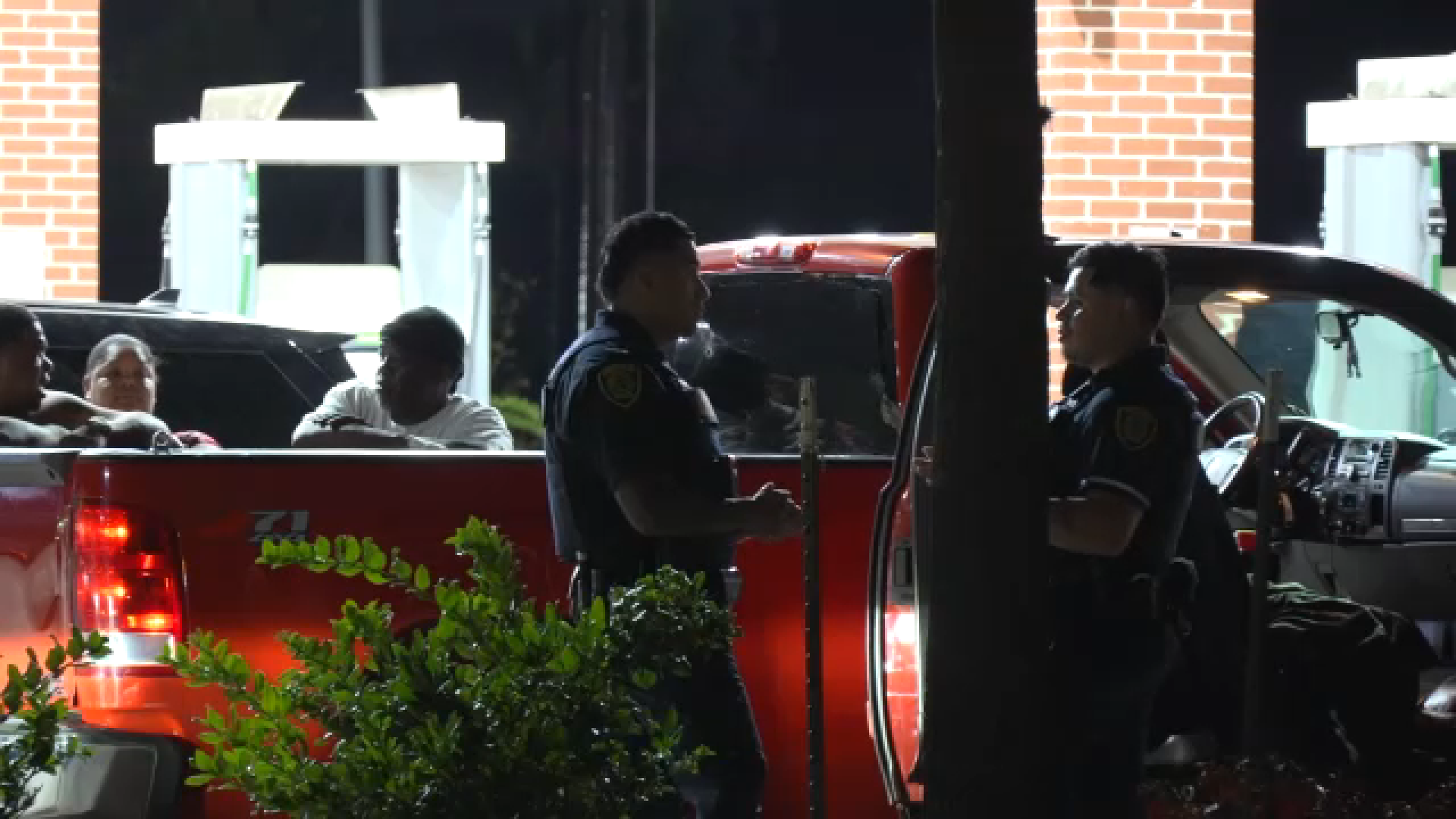
According to disciplinary records, the investigation focused on "nighttime surveillance" conducted at an apartment complex on Sept. 22 of last year. Sources familiar with the case told ABC13 that a drug suspect recorded a video appearing to show an individual placing a tracking device on his vehicle. Sources said the device was not HPD-issued or approved.
Criminal defense attorney U.A. Lewis said officers are trained to understand the legal requirements surrounding surveillance techniques.
"They know better than anybody that they can't do that," Lewis said. "That is what their training is for, and when you have a supervisor involved, more importantly, they're supposed to stress we have to get this right because otherwise all this hard work we're doing is a waste."
Chief Diaz's disciplinary letter states that one officer violated department policy. The letter also states that Vu failed to ensure the actions were "lawful and authorized" and failed to properly notify his supervisor.
Police officers are allowed to use tracking devices as part of investigations, but only under strict guidelines that typically include obtaining a warrant.
Without a warrant, Lewis said, investigators risk raising questions about their motives and jeopardizing potential criminal cases.
"It makes you wonder, was their motive nefarious?" Lewis said.
Stephens said evidence gathered through improper investigative methods can undermine an entire prosecution.
"The entire purpose of the investigation is to get a conviction," Stephens said. "You want to be able to go to court, present your case, and have the jury convict the criminal. If you cut corners and you get caught cutting corners, the whole case is out the door."
It remains unclear what impact the incident may have had on the underlying criminal case, as HPD does not discuss active investigations. The police union referred questions to the officers' attorney, who did not respond to requests for comment.