Food safety for home cooks amid cases of cyclosporiasis
Here's how to safely wash and store fruits and vegetables, according to the CDC.

With hundreds of confirmed cases of cyclosporiasis reported in more than half of U.S. states, there are certain preventative steps home cooks can take in the kitchen as an added measure of precaution against possible contamination.
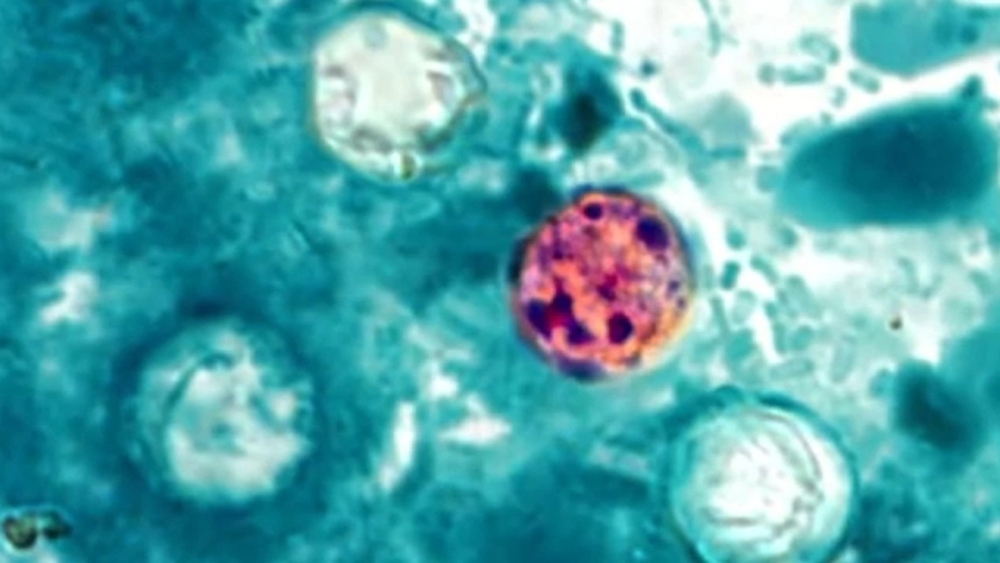
Cyclospora is a type of parasite that can cause an intestinal infection -- cyclosporiasis -- when people consume food or water contaminated with it, according to the Centers for Disease Control and Prevention.
Cyclosporiasis can cause a variety of symptoms, most commonly watery diarrhea, which usually begin within a week after someone has become infected, according to the CDC.
In an update on Friday, the CDC said it had received reports of at least 843 confirmed cases of cyclosporiasis across the country since May 1 and was "aware of more than 1,500 cases that require further analysis to confirm the illness as domestically acquired cyclosporiasis."
"So far this year, multiple states have reported an increase in cases in the last two weeks compared to the same period in 2025," it added.
Best practices for food handling to avoid cyclosporiasis contamination
The CDC website states that "the best way to prevent cyclosporiasis is to avoid food or water that may be contaminated with feces (poop)."
The CDC notes that "routine chemical disinfection or sanitization of food or water is unlikely to kill Cyclospora," however, there are a few food handling tips that can help prevent the foodborne illness when it comes to fresh produce.
Wash: Always wash hands with soap and water when handling raw fruits and vegetables both before and after use.
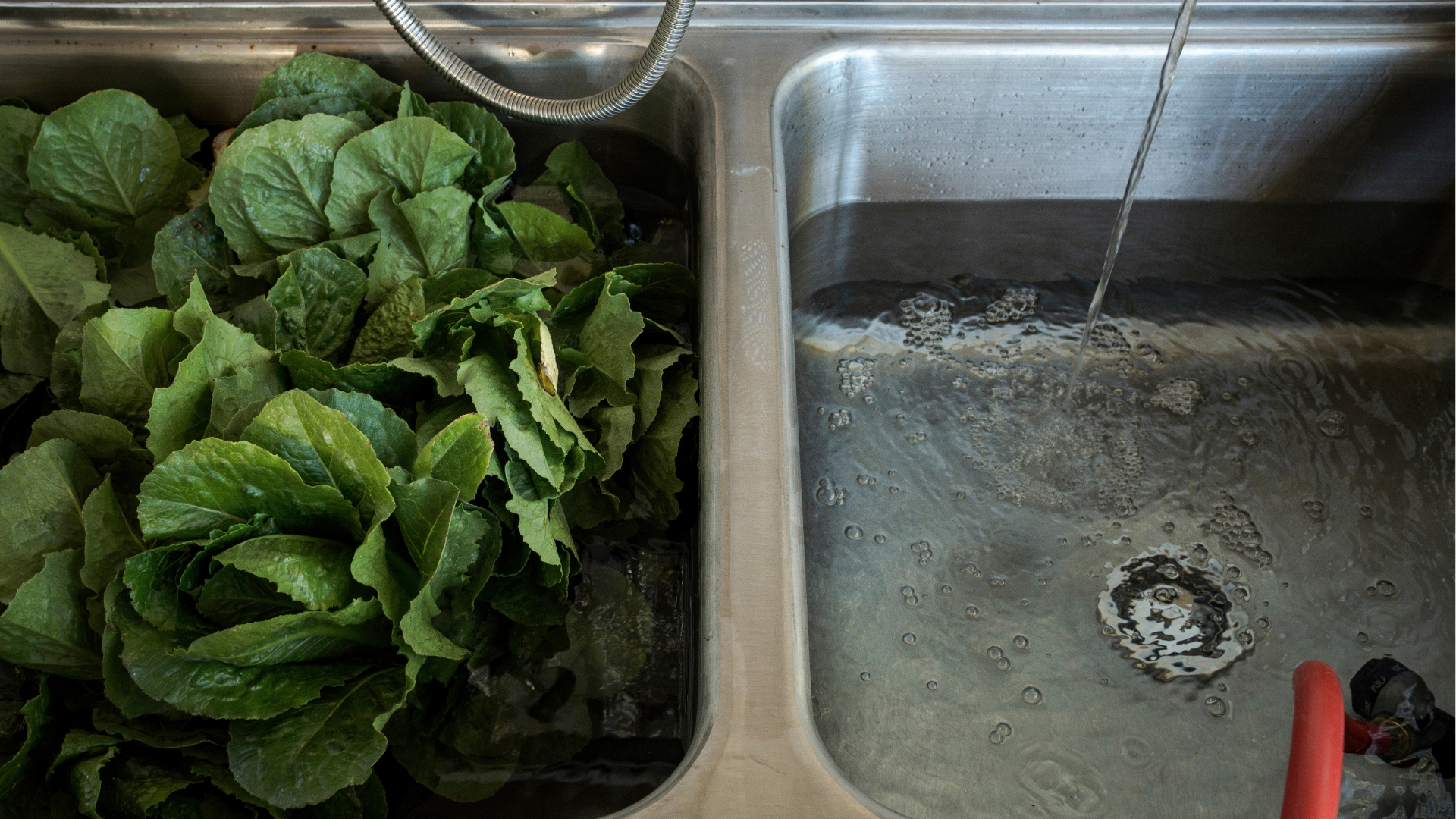
Prepare: Thoroughly wash fruits and vegetables under running water before they are cut, cooked and eaten. Produce that is labeled "prewashed" does not need to be washed again at home, according to the CDC.
Additionally, firm fruits and vegetables with a rind -- such as melons, cucumbers or squash -- should be scrubbed firmly with a clean produce brush.
"Damaged or bruised areas" should be cut off of any fruits and vegetables with a clean knife before preparing and eating," the agency says.
Store: Fruits and vegetables that are cut, peeled, or cooked should be refrigerated as soon as possible, within two hours, according to the CDC.
According to health officials, cooking food to 158 degrees Fahrenheit can also kill the parasite that causes cyclosporiasis.