Magnolia residents asked to conserve water as officials warn Stage 2 drought could be next


Magnolia residents are being asked to cut back on water use as the city’s wells continue running for extended periods, with officials warning Sept. 8 that mandatory restrictions could be the next step if demand remains high.
What you need to know
The city entered Stage 1 of its drought contingency plan and issued a voluntary water conservation notice Aug. 27. Stage 1 is triggered when daily water use exceeds 50% of the city’s combined pumping capacity for five consecutive days, with the city targeting a 5% voluntary reduction in demand, according to the notice.
Under Stage 1, residents are asked to limit outdoor watering based on their address. Even-numbered addresses are encouraged to water on Sundays and Thursdays, while odd-numbered addresses should water on Saturdays and Wednesdays. Watering is recommended between midnight-10 a.m. and 8 p.m.-midnight on designated days.
The details
During the Sept. 8 City Council meeting, Public Works Director Charles Stroud said Magnolia pumped about 87 million gallons from its wells in August while roughly 85 million-86 million gallons were consumed. He said the city’s wells are currently running about 16-17 hours per day.
“That’s extremely excessive,” Stroud said.
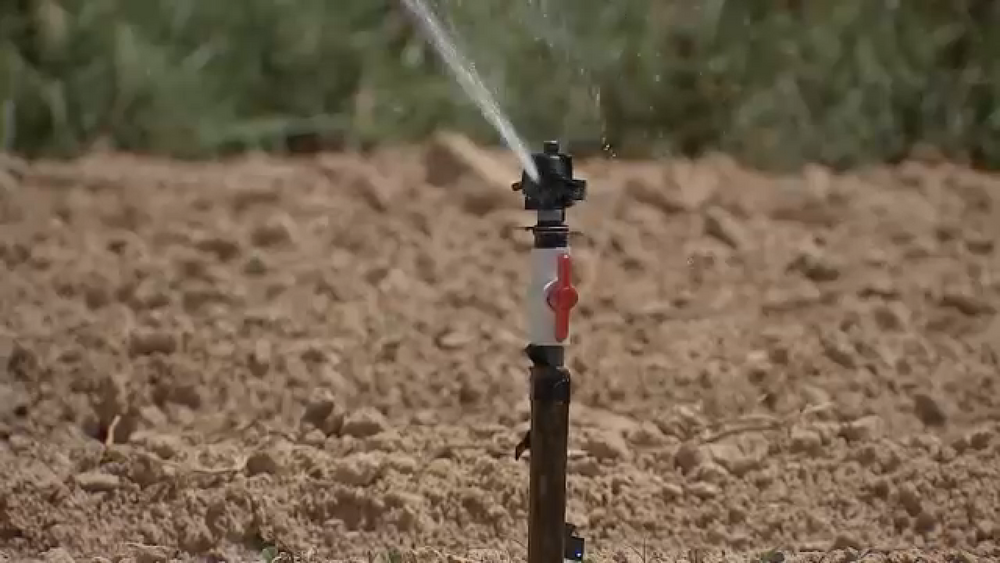
Stroud said the city could move into Stage 2 “ASAP” and encouraged residents to be more mindful of irrigation, particularly water running over curbs or continuing after lawns are already saturated. City staff is also available to help residents check for leaks and adjust irrigation timers at no cost, he said.
What’s next
Under Magnolia’s drought contingency plan, Stage 2 is triggered when daily water use exceeds 60% of the city’s combined pumping capacity for five consecutive days.
Unlike Stage 1, Stage 2 restrictions are mandatory and are intended to reduce daily demand by 15%, per the city’s website.
For now, Stroud said the focus is on getting residents into a conservation mindset while high temperatures continue to drive irrigation and other outdoor water use.