Suffering from summertime allergies this year? Mold spores could be to blame


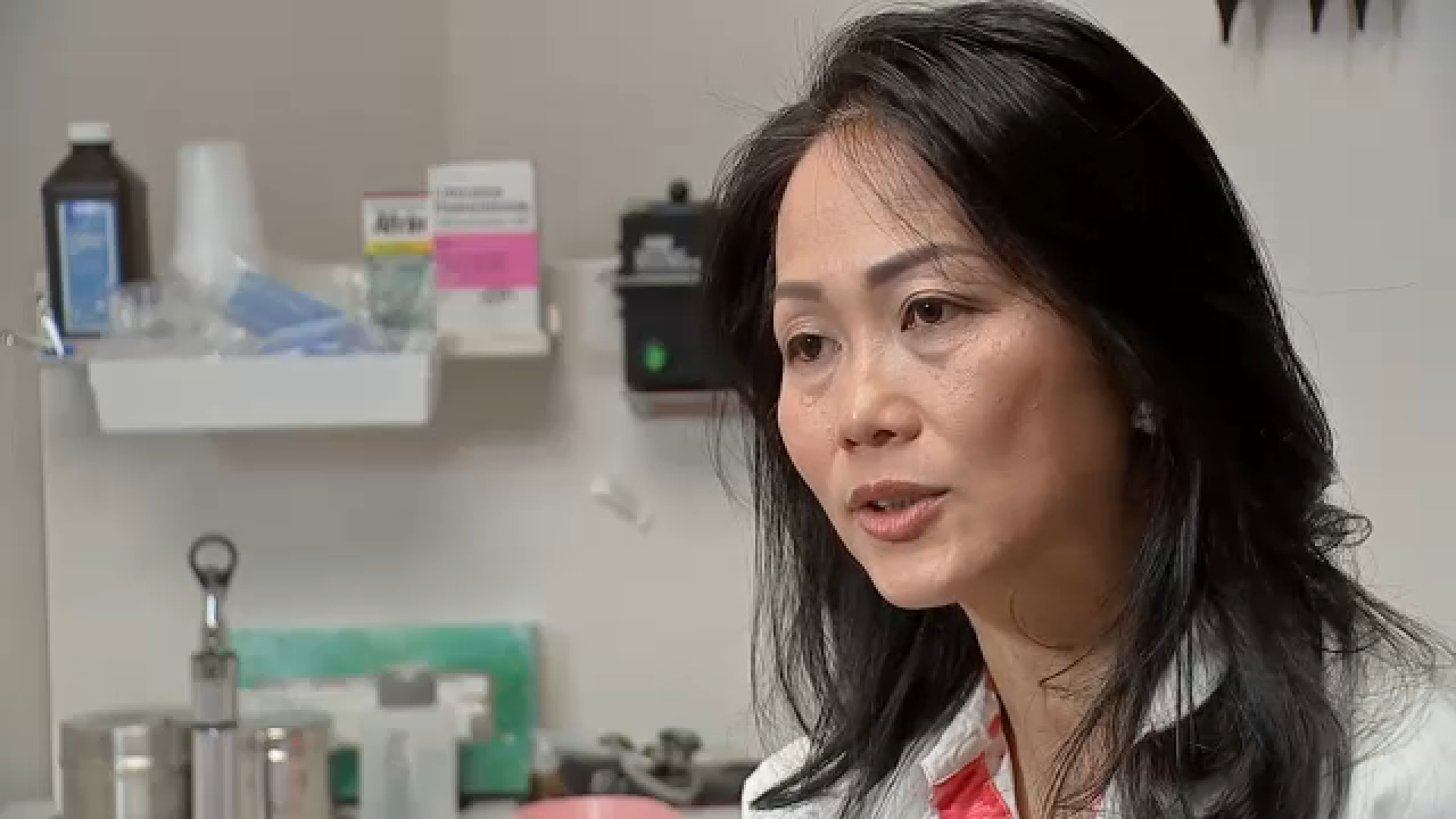
While typical pollen seasons come and go, there's one allergen that can occur year-round in Houston because of the region's tropical-like climate. That's mold spores. And while mold spore levels are typically higher in the cooler, damp months of winter, mold spore counts have remained steady because of the weekly, if not daily, rainfall Houston has seen this summer. ABC13 Meteorologist Elyse Smith spoke to a local allergist to learn more about the impact mold spores can have on our health.
Dr. Duyen Nguyen is an allergist with Memorial Hermann. Besides the year-round nature of mold spores compared to other allergens, she says another unique impact mold allergies can have is on those with certain underlying respiratory illnesses.
"Studies show mold spore allergies increase the risk of asthma attack. Patients with asthma can get worse when exposed to mold spores," Dr. Nguyen said.
She mentioned that patients new to the Houston area who have never been exposed to tropical molds before might notice a difference in their allergies a year or two after moving to the region. "Your risk has to do with genetics. When you're exposed to a new environment, it takes a year or two for your body to make antibodies," she continued. Thankfully, Dr. Nguyen tells ABC13 that mold allergies can be easily treated with over-the-counter medications like those you use for seasonal allergies. If the reaction is more severe, then it's time to see an allergist.


And climate change is impacting allergy seasons here in southeast Texas, making them longer and sometimes worse. More rainfall can increase mold spore counts, whereas new studies have also found some pollen types are more drought and climate resistant. One of those is Ragweed, which Houston just saw its first few counts of the pollen this week. Ragweed season typically runs from August through November. But with the first few pollen counts already appearing, Ragweed's seasonal peak could come a little earlier this year.
For more on this story, follow Elyse Smith on Facebook, Twitter and Instagram.