Labor Day visitors and rain may be to blame for sewage leaking into the water, Galveston leaders say


GALVESTON, Texas (KTRK) -- Labor Day tourism might be good for Galveston's economy, but city officials said the increased demand on the city's infrastructure and wet weather may be to blame for thousands of gallons of sewage flowing into the water.
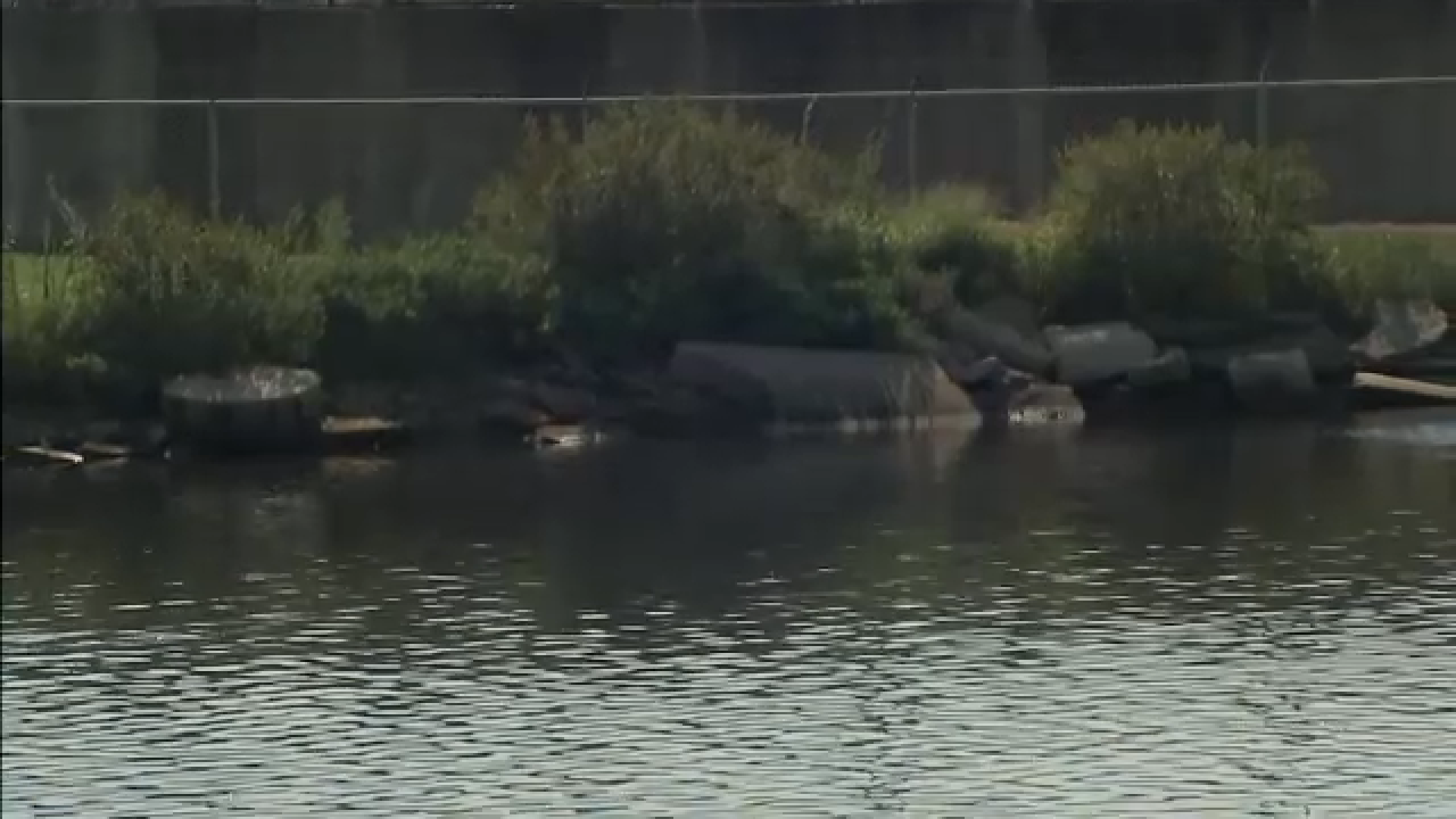
2,500 GALLONS OF SEWAGE SPILLED FROM A GALVESTON FACILITY
On Monday morning, neighbors saw sewage floating outside of the city's Airport Wastewater Facility. Assistant City Manager Brandon Cook told ABC13 it took them five hours to have it cleaned up.
"The leak was discovered at 8 a.m.," Cook said. "They were out there within that hour, and the site was contained by 1 p.m."
City officials said it was sewage foam. They've asked people to stay out of the nearby water.
Cook said they've tested the water and the first results will come back on Friday. Rusty Legg lives in a home along the water near the facility.
He said the city let him know about the issue. "They put notices up to the locals to allow us to have the knowledge that there was a spill and to not go swimming in the immediate area," Legg recalled.
CITY OFFICIALS SAID INCREASED TOURISM AND WET WEATHER COULD BE TO BLAME
City leaders said an investigation is underway to determine what went wrong. Cook said the overflow may have been brought on by Labor Day visitors looking to cool off.
Not just from tourists, but officials say the wet weather impacted the facility. "The storm water gets treated as wastewater and so you have treat all of the water as such," Cook explained.
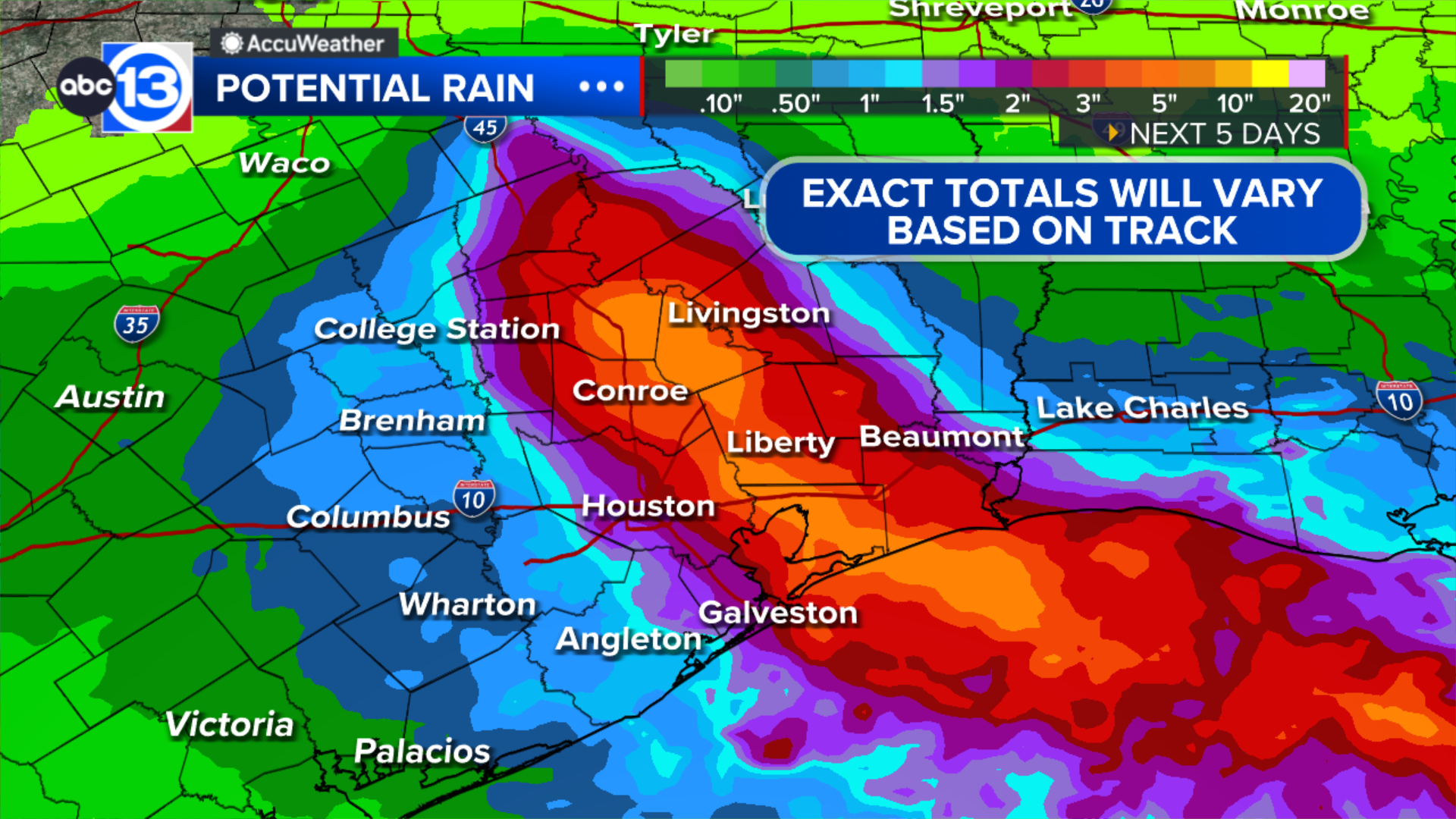
But it wasn't like the demand was out of nowhere. For these holiday weekends, city officials plan on 250,000 tourists. The forecast also showed rain.
"That's part of the analysis that we're doing," Cook explained. "Maybe some of the bacteria and if the plant had issues."
An investigation Legg wants to see. As a former city council member he said it's important to tell neighbors what happened.
"One thing as politicians, we're all aware of, we don't necessarily share everything," Legg said. "Let's get the truth out. Let's get the word out. If there's a failure, there's a failure. Okay, we fixed it. We know what to do. Let's move forward."
Top Stories
GALVESTON IMMEDIATE MAKES CHANGES, AND NEW TOOLS ARE ON THE WAY TO HELP STOP FUTURE LEAKS
While city officials couldn't tell ABC13 exactly what went wrong, they did share changes they're making. They plan to staff the facility at all times now.
They're also adding new technology to allow them to handle large tourism days, and be able to track issues. Cook said they're spending hundreds of thousands of dollars on a SCADA monitoring system.
"In this case, we would've been able to receive an alert and deploy staff a lot sooner and address the overflow before it could happen," Cook explained.
While the increased staffing starts now, Cook said the new technology won't be in place until next year.
STATE LEADERS TOLD ABC13 THIS WAS THE 4TH OVERFLOW REPORTED AT THE FACILITY THIS YEAR
City leaders said they notified the Texas Commission on Environmental Quality. ABC13 contacted the agency and asked if there have been other reported leaks from the facility.
A spokesperson told us there have been four overflows from the facility this year, including the one on Labor Day. So far, the agency said the city hasn't been fined for any of them. TCEQ officials said overflows will be addressed in their next Galveston investigation.
The spill also caught the attention of the Galveston Bay Foundation. The waterway goes into a bayou, which connects with the Galveston Bay.
The group sent ABC13 a statement.
"Sanitary sewer overflows (SSOs) can be caused or exacerbated by large rainfall events. This can lead to bacteria entering local waterways and eventually entering Galveston Bay, which can impact the environment and human health risks. Some steps can be taken to reduce the occurrence and intensity of SSOs. These include investing in infrastructure improvements, stopping Fats, Oils, and Grease (FOG) from going down the drain, and reducing stormwater runoff by installing a rain barrel or planting native plants. Galveston Bay Foundation and partners have water quality monitoring programs to track the health of local waterways. Find more information about Galveston Bay Foundation's water monitoring program by visiting www.galvbay.org/work/water-protection/ or visit Swim Guide or Texas Beach Watch to see recent bacteria levels at a beach near you," Galveston Bay Foundation Water Protection Manager Natasha Zarnstroff said in a statement.
For updates on this story, follow Nick Natario on Facebook, X and Instagram.