FAA rolls out new radar system at Bush Intercontinental Airport to help avoid close calls


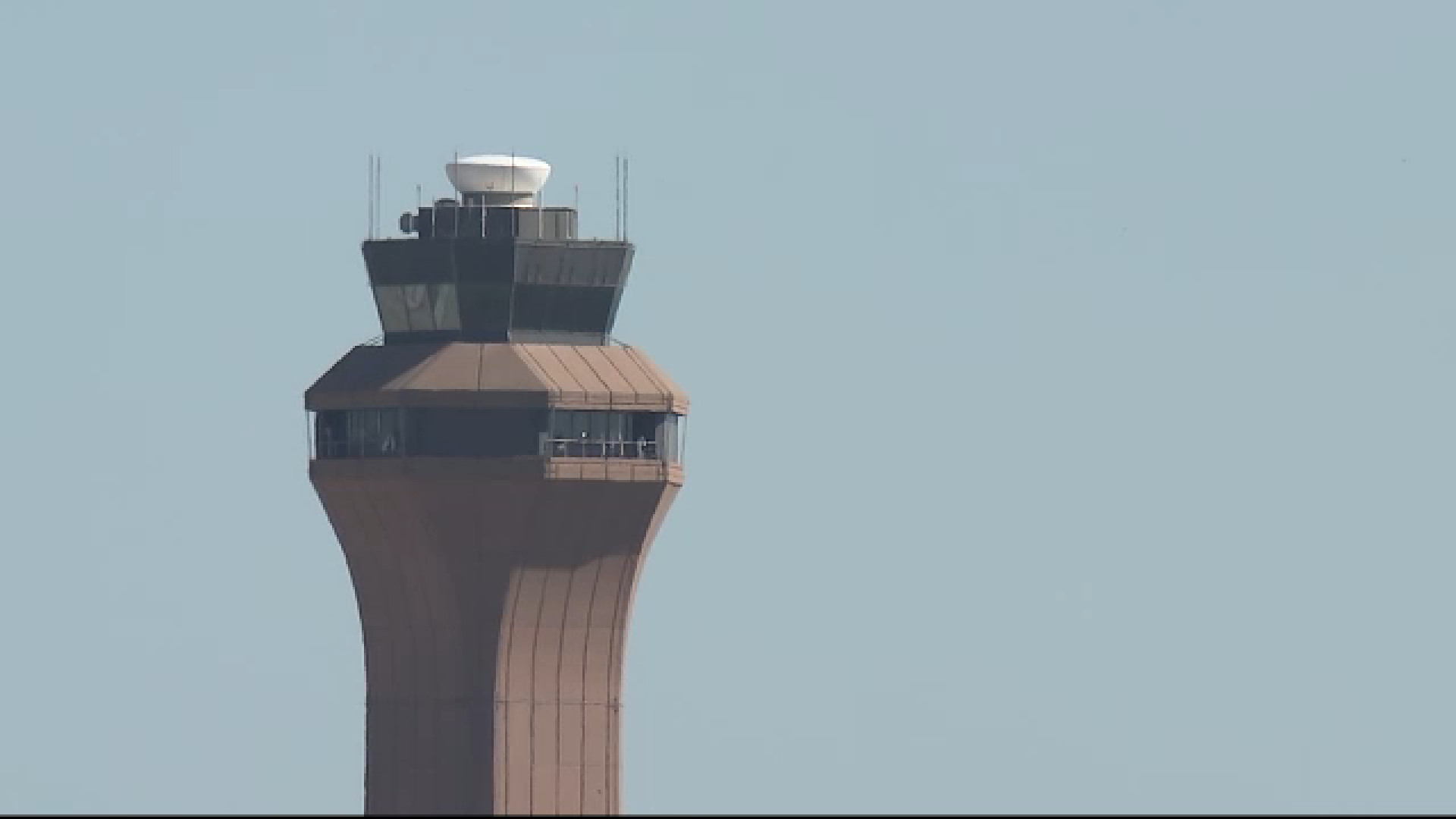
HOUSTON, Texas (KTRK) -- There's a first-of-its-kind system watching what's happening at Bush Intercontinental Airport that the Federal Aviation Agency said should make the runway safer and operate better in bad weather.
Sit outside of IAH, and it's clear why it's one of the busiest airports in the country. A perfect place, the FAA says, for something new.
"Anytime you're the first getting something, it's always nice to be the first, but there's always a lot of growing pains that you have to grow through," FAA program manager Matt McCann said.
The challenge, the FAA said, is a new radar system. Surface Movement Radars were installed at IAH a few weeks ago.
Equipment officials said it is needed because the old system had issues with weather and repairs. It's starting at IAH, but the FAA says it'll spread to 44 airports over the next three years, including Hobby Airport.
"A radar that's almost 40 years old, that's always a worry that a part breaks, the radar goes down, and then they lose the tools that they have," McCann explained.
The FAA said there are sensors in the release that detect planes. That's not all.
The radar also alerts traffic controllers to vehicles, both those that are supposed to be on the runway and those that aren't.
"If a vehicle wandered onto the runway in the middle of the night and a plane was coming into land on the same runway, the processing sets off an alert in the control tower," McCann said.
Houston airport officials said outside vehicles have been on the IAH grounds before. In fact, last summer, Houston police officers said a woman went past a gate onto an airport service road, which temporarily halted operations.
Concerns are not just with security, but also with close calls on the runway, where the FAA said a plane, vehicle, or person is in the wrong place. FAA data shows there were 25 of them at IAH over the last four years.
Officials said the new technology will help air traffic controllers better avoid this.
"They have basically an extension of their eyes of what exactly is out there and who they are," McCann explained.
For updates on this story, follow Nick Natario on Facebook, X and Instagram.