Fatal arson suspect described as schizophrenic in previous calls to police


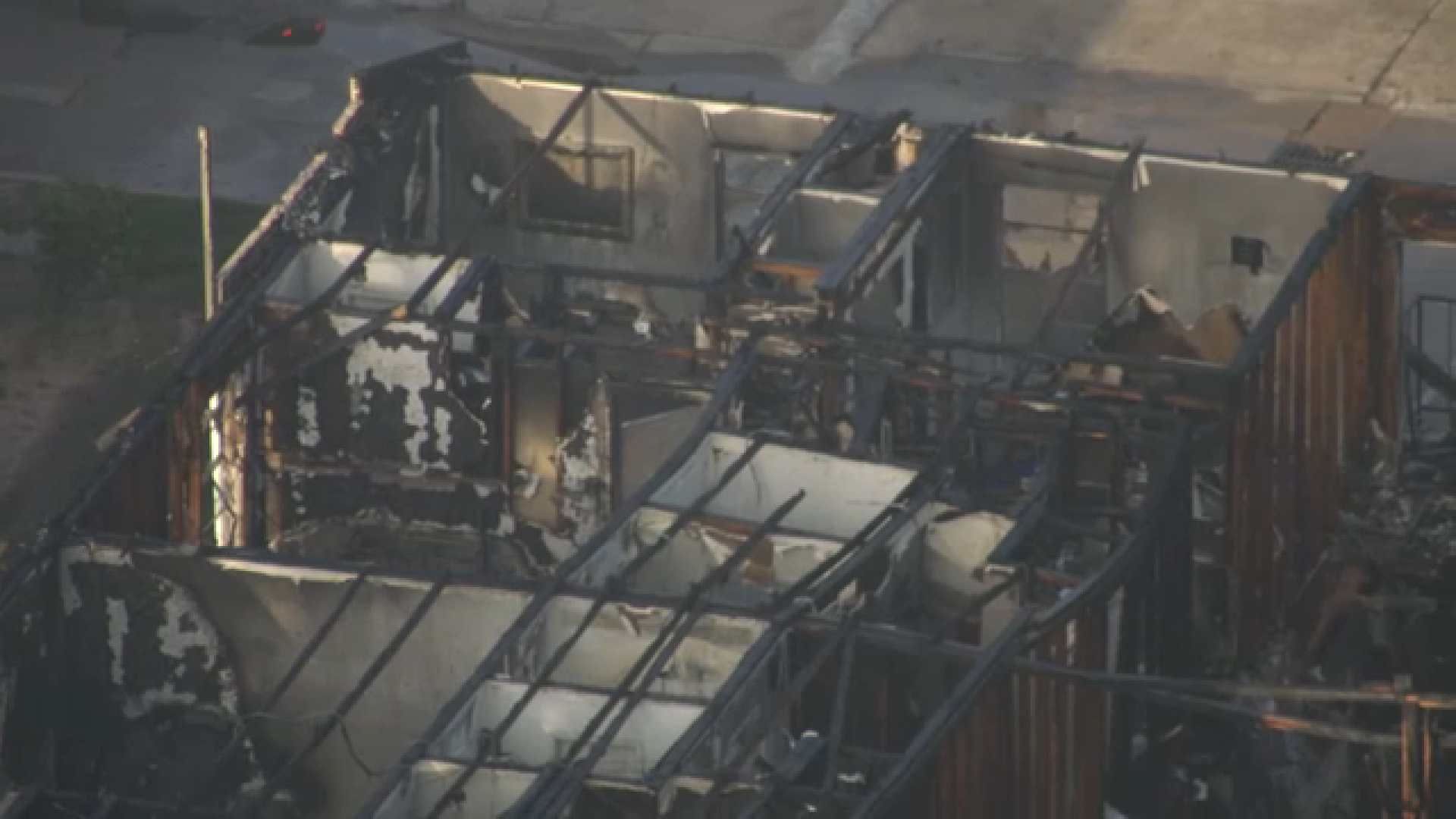
SPRING, Texas (KTRK) -- The family of the Spring man accused of setting his apartment complex on fire had placed multiple calls to law enforcement about him.
Matthew Atwater was charged with murder after his brother, Andrew, died in the Monday morning blaze in the 4600 block of Cypresswood.
RELATED: Man charged with felony murder after setting apartment fire, leaving 1 dead, 13 hurt, HCSO says
According to documents shared with Eyewitness News by a source, Atwater's mother called the Precinct 4 Constable's Office about her son in July 2025.
She told deputies Atwater was hearing demonic voices and had struck her, describing him as schizophrenic.
The documents show that deputies took him to the hospital for a mental evaluation under an emergency detention order.
But a year later, Atwater was back at home and having problems again.
In April, the Harris County Sheriff's Office confirmed it responded to the Atwater home.
Documents reviewed by Eyewitness News show that Atwater complained to deputies about ghosts having sex with him and admitted to burning himself with cigarettes because he liked the way it felt.
Atwater was taken to the hospital for another mental evaluation and then booked into the Harris County Jail after deputies discovered he had five open warrants out of Jasper County, including for aggravated assault against a public servant.
Records show Atwater was extradited to Jasper County 10 days later.
It wasn't immediately clear when or why he was released or what kind of mental health treatment he might have received while in the Jasper County Jail.
"You see this wash, rinse, repeat problem," said Wendy Bainbridge, a former HPD assistant chief who helped create the department's mental health division.
While Bainbridge said police can detain someone for an involuntary mental evaluation, long-term commitment requires a court order.
"There is a problem with the inability to get long-term civil commitments here in Harris County," she said.
Last September, Senate Bill 1164 took effect in Texas.
It makes it easier for police to file an emergency detention order by making a person's inability to recognize their own mental illness as one of the grounds for detention.