Experts explain how the U.S. Supreme Court redistricting decision could impact voting for years


HOUSTON, Texas (KTRK) -- A landmark U.S. Supreme Court decision experts believe could have an impact on voting in Texas for years to come.
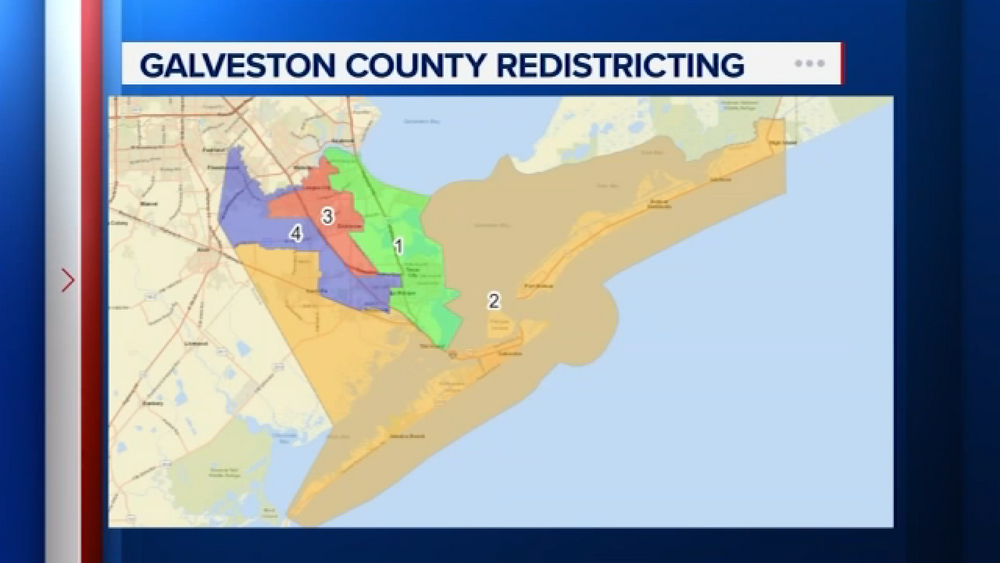
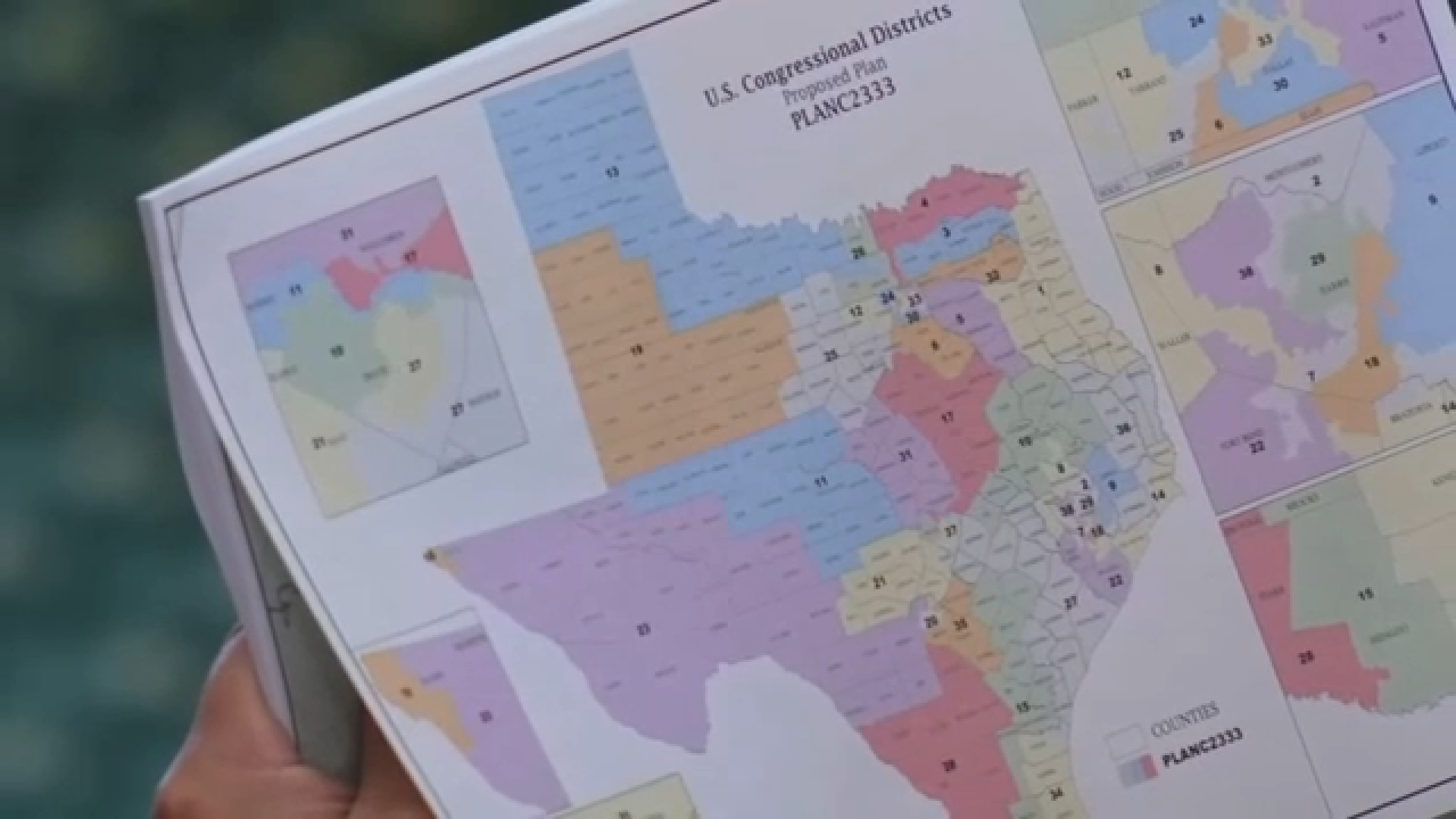
When you vote for Congress this November, you might notice new names on the ballot. That's because Texas lawmakers redrew maps years earlier than normal.
It's a trend, experts say, you may see more in states following a new Supreme Court ruling.
"In red states, you'll have very lop-sided maps one way, and in blue states you'll have very lop-sided maps the other way," South Texas College of Law Constitutional law professor Josh Blackman explained. "There will no longer be a benefit for racial minorities in Texas to have democratic representation."
It stems from the redistricting court case Louisiana V. Callais. Experts said it allows state lawmakers to create new congressional maps without considering race.
"The court said you cannot do that anymore," Blackman said. "Race has no business in this process."
Last summer, Texas Republicans said instead of race, they created new maps based on how people voted. Democrats raised concerns about how that impacted the Voting Rights Act.
Following Wednesday's ruling, Texas Democrats said the Voting Rights Act has been gutted.
Experts said the act was passed decades ago to protect minority voters. However, Blackman said the need has faded, and the courts say there are better ways to determine who represents communities.
"When they're drawing these maps, they do not look at the race," Blackman explained. "They're looking at voter registration. They have very advanced algorithms, even using AI to determine where you draw the line to maximize republican strength, and minimize democratic strength, and that the court says you're allowed to do."
Experts said the ruling could have immediate impacts. In fact, on Wednesday, Florida moved forward with a new redistricting proposal that could send four more GOP members to Congress.