Data reveals threats to lawmakers on the rise despite calls to end political violence


Despite calls for an end to political violence, data reveals that political threats are on the rise.
A recent Pew Research study found that 85% percent of Americans believe political violence is on the rise, with roughly half of Americans blaming the right and the other half blaming the left.
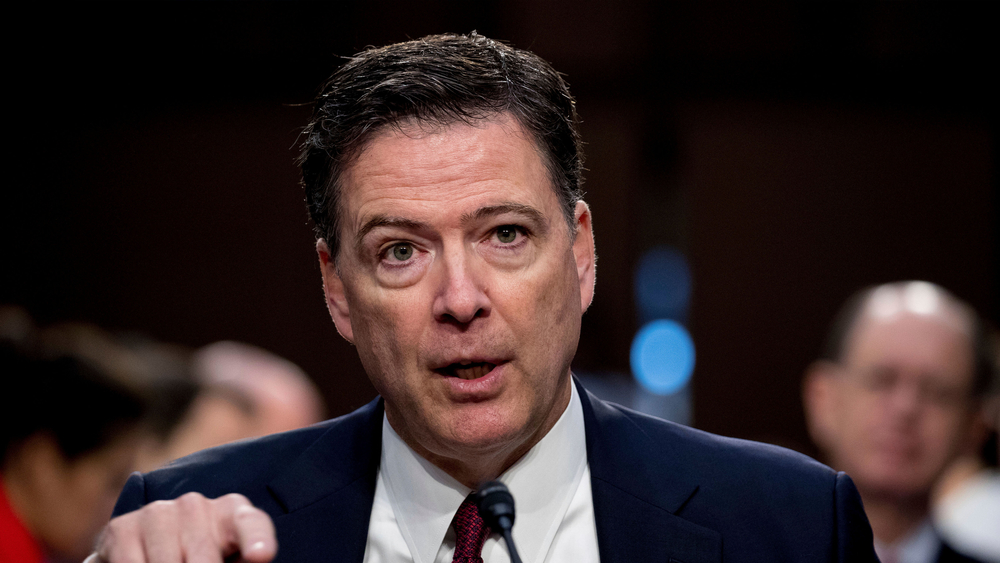
In a video of the aftermath of the chaos at the White House Correspondents' Dinner, Texas Congressman Michael McCaul sat in the ballroom and said, "This is where politics is going."
Later, on social media, McCaul thanked the quick actions of the Capitol Police. The same law enforcement agency that reported early this year that threats against Congress and the US Capitol Complex were up for the third year in a row, nearly doubling in that time.
And in September, when McCaul announced he was not seeking reelection after serving for two decades, we asked him about the political temperature in Washington.
"The politics have gotten more volatile," McCaul said. "I don't find that part of the job is something that I enjoy."
Richard Stoll, a professor emeritus of political science at Rice University, said one party always blames the other, but the real answer, instead of violence, should be campaigning and voting.
"The way to handle it is not to either commit violence yourself or support that," Stoll said. "The way to help is to get involved in the political process in some way and see to it that people you like get elected. We may disagree with the other political party and not like what they're doing. But the way to change things is to win the next election."
ABC News Senior White House Correspondent Selina Wang was at the dinner when the shots were fired outside the ballroom, and the alleged would-be assassin was arrested.
"Thank goodness we are all safe, but certainly a terrifying moment," she told ABC13. "We're learning from sources that in a message he sent to family, he said that while those top Trump administration officials were his target, he would harm those who got in his way, dinner guests as well. This really was a planned mass shooting."
The attack comes as political violence remains a topic of conversation in this admittedly divisive political climate.
Recent surveys, in the last seven months, all reveal the same thing. A percentage of Americans, as much as a quarter of them, find that violence is sometimes justified, may be needed, and is sometimes okay. Those surveys are from Gallup, YouGov, Politico, and the Public Religion Research Institute.
"I think, if you were to ask them," Stoll said of those who support violence in some circumstances, "the system is rigged against them and people like them. And it's gotten so bad, the only thing dramatic has to happen to change things."
For Selina Wang and those who've experienced the terror of it, change should come any other way than through violence.
"I will say, though, I am also pregnant," Wang said, "and I'm at the beginning of the later stages of my pregnancy, and the first thing I thought when all of this went down was, I want to protect my future family."