Summertime heat is here: New study shows increasing heat-related risks for pregnant women


HOUSTON, Texas (KTRK) -- As Houston's daily high temperatures continue to top out in the 90s, it's a sign that summer heat and those scorching heat waves are right around the corner. A new study from ABC13's partners at Climate Central looks into heat risks for pregnant women.
The study, done for each state in the country, is based on the number of days when daily high temperatures were at 98 degrees or higher. So, it does not factor in the heat index, which is an important note for southeast Texas and the steamy, tropical dewpoint temperatures that can make it feel even hotter outside during the summer.
Extreme heat is now one of the most pressing threats to pregnant people worldwide.Bruce Bekkar, M.D., women's health physician
Nevertheless, researchers found that in Texas, the annual average number of days above 98 degrees increased by 17 days over the course of four years. That means women who are pregnant during the hot summer months in Houston could be at risk for nearly five weeks instead of two, as it was in 2020.
As for risks, doctors Climate Central spoke to said they're nothing outside the norm when it comes to risks women face during pregnancy. But add in the extreme heat, and there's a higher likelihood that the mother could develop gestational diabetes and hypertension. As for the baby, preterm births and low birth weights are potential risks.
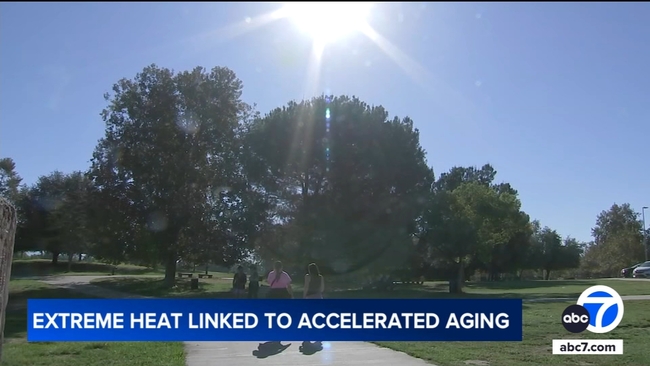
SEE ALSO: Living in extreme heat may speed up aging process in adults 56 and older, USC study suggests
ABC News spoke to Bruce Bekkar, M.D., a women's health physician and expert on how climate change impacts human health.
"Extreme heat is now one of the most pressing threats to pregnant people worldwide, pushing more pregnancies into high-risk territory, especially in places already struggling with limited healthcare access," Bekkar said.
Nationally, states that experienced the largest change or shift in those 98 degrees or above days were in the desert southwest, in states like New Mexico, Arizona, and Utah. The U.S. has experienced an increase of 12 additional pregnancy heat-risk days each year on average.
For more on this story, follow Elyse Smith on Facebook, Twitter and Instagram.