An active Pacific hurricane season? It's a sign of a strong El Niño
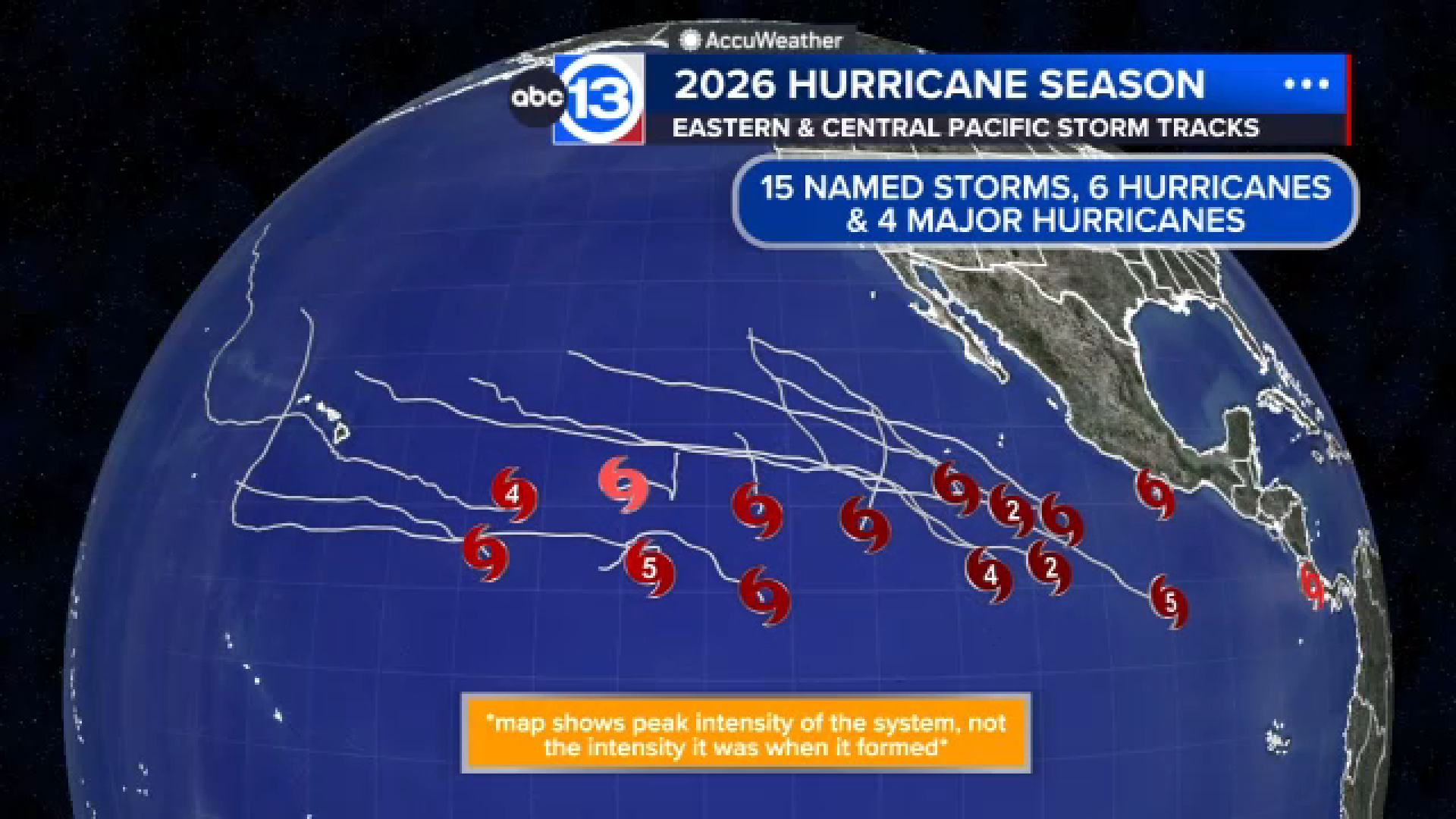


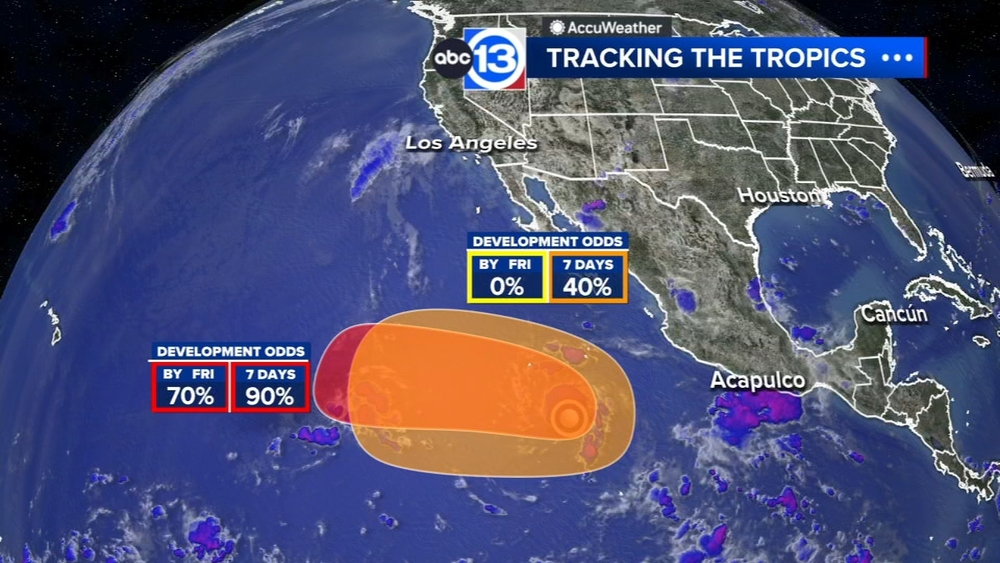
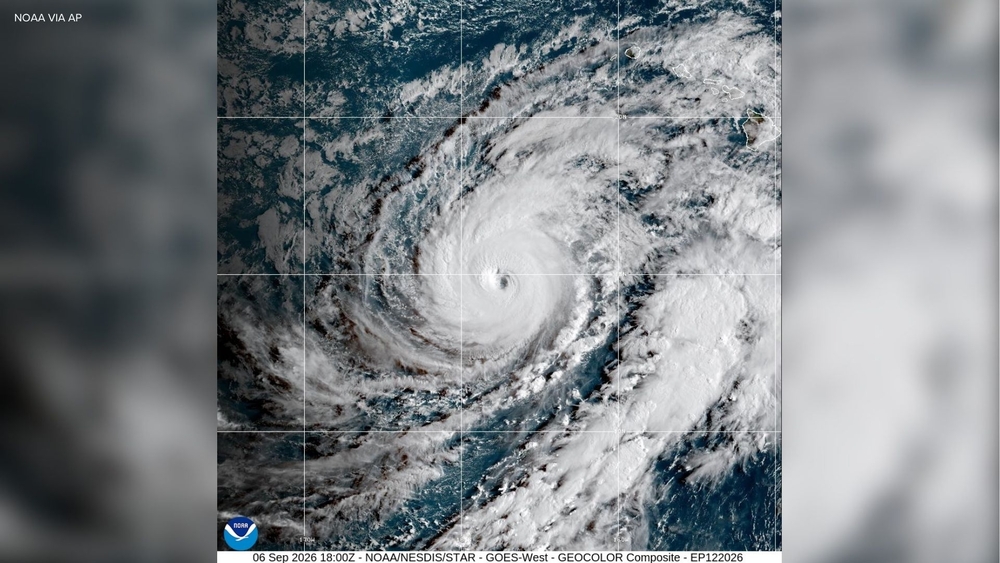
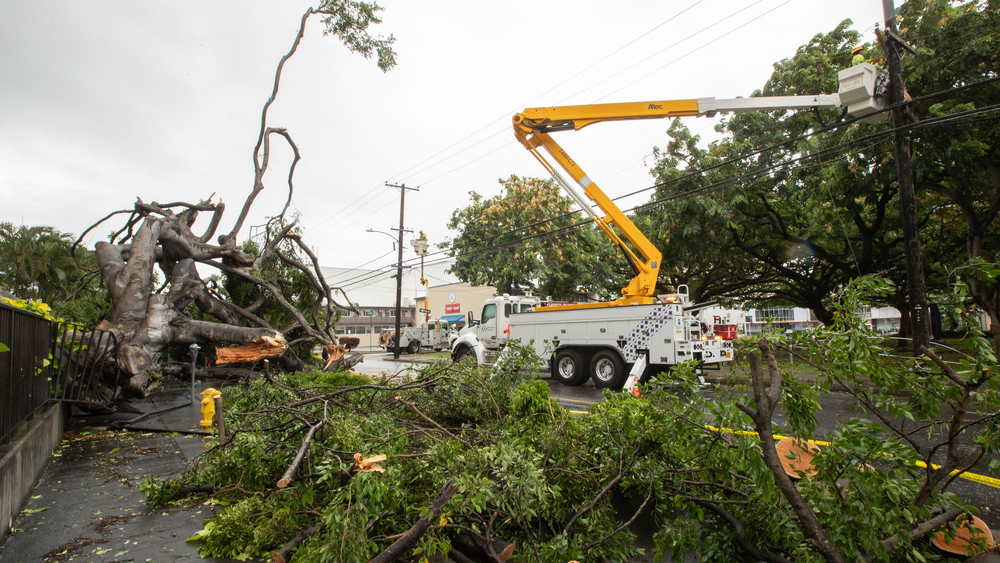
Just days after Hurricane Lowell brought heavy rains, high seas, and storm-force winds to the Hawaiian Islands, there are two new regions with low to medium odds for tropical formation in the Pacific, as well as a new tropical depression. The season has already been active for the eastern and central Pacific, with 15 named storms and six hurricanes, including four that became major hurricanes. That is above-normal activity for named storms at this point in the Pacific season.
Four of those storms have made close passes to the Hawaiian Islands: storms Karina, Lala, Moke, and Lowell. There were two "L" named storms because of where Lala and Lowell formed in the Pacific. If a tropical storm forms west of the International Date Line, it uses a separate name bank. If an existing storm crossed the date line, as Lowell did, it keeps its original name. Still, none of those storms made a direct landfall on any of the islands, but several were close enough to have heavy impacts. In fact, the Hawaiian Islands are known for their "near misses" with tropical systems. Only nine storms have made landfall in Hawaii since we began naming storms in the 1950s.
Ironically, the National Hurricane Center just began issuing storm surge forecast products for Hawaii this season. That was announced earlier this spring in the same bulletin that included updates to the shape of the forecast cone and the look of some of their maps.
So between the number of named storms and the rapid intensification of some of them, especially in waters farther from western Mexico, both signal how climate change and the strong El Niño are impacting the Pacific hurricane season. Speaking of which, a Super El Niño could be on the horizon, given how extensive and warm those waters are in the Equatorial Pacific. So what does that mean for Houston?

As expected, the Atlantic hurricane season has been below normal in terms of activity. And that could make history in and of itself. The latest first hurricane to form in the Atlantic is tied between Gustav and Humerto during the 2002 and 2013 seasons. Both became hurricanes on Sept. 11 in separate seasons. So if there is no hurricane in the Atlantic past Friday, Sept. 11, this season will be the new latest for not having a hurricane form (in the satellite era). And a reminder that the seasonal peak of hurricane season is Sept. 10.
And while this season has been relatively quiet, three of the five tropical storms that have formed brought some impact to Southeast Texas. And a reminder that it only takes one storm, and the Houston area is not out of the woods just yet. The Atlantic hurricane season officially ends on Nov. 30.